
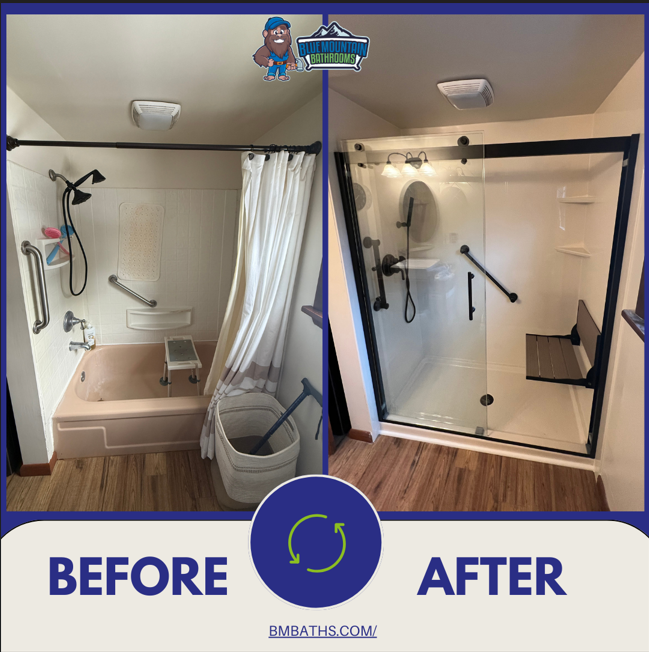
For many Veterans and service members, the bathroom can become one of the most difficult rooms in the home to use safely. A high tub wall, a slippery floor, a tight layout, and a lack of support can turn an everyday routine into a real risk. That is why many families start searching for answers around a VA HISA grant shower conversion when safer bathing becomes necessary.
The HISA grant, short for Home Improvements and Structural Alterations, may provide financial assistance to qualifying Veterans who need safety-focused home updates. When supported by a VA physician, this type of VA grant may help cover certain home improvements, structural alterations, and other medically supported changes that make daily life safer and easier.
In many cases, those home modifications include safer bathing solutions such as walk-in showers, roll-in showers, a walk-in tub, permanently installed grab bars, and other accessibility features. While the HISA benefit is different from larger housing grants like SAH and SHA grants, it can still make an important difference for families trying to create a safer bathroom without carrying the full cost alone.
At Blue Mountain Bathrooms, we believe safer bathing should not feel confusing or out of reach. Our goal is to help Veterans and every family member involved in the process better understand the options, the paperwork, and the next steps. BigBlu would probably tell you no one should have to treat their bathroom like a mountain-climbing course just to get clean.
In this guide, we will explain what the VA HISA grant is, how it compares to other VA benefits, who may qualify, and how a safer bathroom can help make a permanent home more comfortable, more accessible, and easier to use.
Quick check: could a safer shower help?
You may want to explore your options if:
- Stepping over the tub wall feels difficult or unsafe
- The shower feels slippery or unstable
- There are no permanent grab bars
- The bathroom feels tight or hard to move through
- A loved one has started needing help getting in or out of the tub
If any of these sound familiar, a safer shower setup may be worth exploring.
Improvements and Structural Alterations
The HISA grant is designed to help cover improvements and structural alterations that support safety and function in the home. These are not cosmetic updates. They are changes tied to daily accessibility, comfort, and safer use of the space.
For many families, the bathroom is where those needs show up first. Stepping over a tub wall, balancing on a wet surface, or maneuvering in a cramped layout can create daily stress and increase fall risk. That is why a VA HISA grant shower conversion is often one of the first projects people look into.
To move forward, the requested work generally needs clear medical justification and a connection to medical necessity. In many cases, a provider explains why the proposed structural alterations or shower-related updates are needed to support safer daily living.
Home Improvements and Structural
These types of home improvements and structural changes are centered on function. A Veteran may need easier entry, stronger support, or a bathing setup that better fits reduced mobility, pain, weakness, or balance issues.
Depending on the home and the need, the project may include a tub-to-shower conversion, walk-in showers, roll-in showers, a walk-in tub, slip-resistant flooring, or properly placed grab bars. Sometimes the most meaningful improvement is removing one daily obstacle that has quietly become more dangerous over time.
When that need is clearly documented, the HISA benefit may help lower the cost of work that would otherwise feel out of reach.
Housing Grants
It is important to understand that the HISA grant is only one of several housing grants and accessibility-related programs connected to Veterans Affairs. Not every program covers the same type of work, and not every Veteran will need the same level of support.
Some housing grants address broader accessibility needs across the property. Others, like HISA, are often used for more targeted home improvements and medically supported safety changes.
That matters because many families hear several VA terms at once and assume they all work the same way. They do not. Understanding the differences can help save time and avoid confusion.
Non Service Connected
Many people assume help is only available for service-connected disabilities, but that is not always the case. Some Veterans may also qualify based on non-service-connected needs, including non-service-connected disabilities or non-service-connected conditions that still affect safety and mobility in the bathroom.
The key question is not always whether a condition is service-connected. It is whether the requested work is medically supported and necessary for safer daily living. Strong medical justification can make a major difference.
That is one reason the process should begin before work starts. Starting too early without the right documentation can make reimbursement or approval harder later.
SAH and SHA Grants
The HISA grant is different from the SAH and SHA grants. Programs like SAH grants, SHA grants, or specially adapted housing SAH are generally intended for broader or more intensive accessibility needs.
An adapted housing SAH grant may make sense when a Veteran needs larger changes across the home. HISA is usually more focused. It often helps with specific home modifications and medically supported structural alterations that improve safety without requiring a full redesign.
That means a Veteran may not need full specially adapted housing to still benefit from a safer bathing setup. Sometimes the need is much more targeted, but still urgent and important.
HISA Benefit
One reason the HISA benefit matters is that it may provide real financial assistance for projects that directly improve home safety. For a Veteran who struggles with daily bathing, that support can help turn a necessary project into a realistic one.
This is especially true when the work involves bathroom modifications such as walk-in showers, a walk-in tub, or other accessibility-focused structural alterations. These are not luxury upgrades. They are practical changes that can reduce fall risk and improve confidence.
The HISA program may also connect with other planning steps inside the VA health care system. Depending on the situation, families may hear about related services, added documentation, or other VA benefits while working through the process.
HISA Grant Application
The HISA grant application process is where preparation matters most. In many cases, it starts with a provider inside VA health care who can explain why the requested work is necessary and how it supports safer use of the home.
For a bathroom project, that may mean documenting the need for a VA HISA grant for a shower conversion, a safer shower entry, or other bathroom modifications that improve accessibility. Whether the recommendation is for walk-in showers, a walk-in tub, or related safety features, the request needs to show that the changes are practical, appropriate, and medically supported.
What May Be Included in the Process
Depending on the situation, a strong application may include:
- Documentation from a provider within VA health care
- Written medical justification
- Proof of medical necessity
- A description of the proposed structural alterations, HISA grant request
- Contractor estimates for medically necessary home improvements
- Paperwork that supports funding eligibility
- A properly completed HISA application package
In some cases, the process may also involve Sensory Aids Service, a VA case manager, or staff at the local VA office. These contacts may help explain VA standards, answer questions, and guide families through the steps. BigBlu would probably say this is the part where a little preparation now can save a lot of frustration later.
Home Modifications
When a bathroom no longer feels safe, the right home modifications can make daily routines easier and more secure. For many Veterans, the issue is not appearance. It is safe access, better support, and a bathing space that fits their current needs.
Common Bathroom Upgrades That May Help
Depending on the home and the Veteran’s condition, helpful upgrades may include:
- Walk-in showers
- Roll in showers
- A walk-in tub
- Permanently installed grab bars
- Slip-resistant flooring
- Shower seating
- Easier entry and exit points
These kinds of home improvements may be especially helpful for Veterans living with service-connected disabilities, non-service-connected disabilities, or other conditions that make bathing harder or less safe.
Who May Qualify and What Projects May Be Covered
Eligibility for a HISA grant depends on the Veteran’s condition, the requested work, and the supporting documentation. In many cases, applicants may be living with service-connected disabilities, a service-connected disability rated at a certain level, or other service-connected medical conditions that affect daily mobility and bathing safety.
In other cases, the need may relate to a compensable disability, a compensable disability treated through the VA, or a disability acquired later in life. Some qualifying circumstances may involve certain service-connected disabilities, certain severe burns, breathing injuries, or limitations involving more than one limb.
Disability history may also shape how families understand related programs. That can include disability percentages, prior support through vocational rehabilitation, questions about VA pay, or other services connected to the VA health care system. Even so, HISA remains focused on medically supported safety updates in the home.
Some HISA projects may go beyond the shower itself. Depending on the need, covered work could include VA home improvements, improving entrance paths, permanent ramps, or even updates to electrical systems when those changes support accessibility. In general, the question is whether the work is necessary, documented, and appropriate for safer daily use.
Permanent Home
Many of these updates are intended to make a permanent home safer and easier to live in over time. The goal is not a temporary fix. It is to create a bathroom and home environment that supports independence, comfort, and lower risk day after day.
For some families, the most important outcome is simple: being able to stay in the home more safely and with greater confidence. That is why these changes can matter so much.
Conclusion
A safer bathroom can make a meaningful difference in daily life. For Veterans living with mobility challenges, pain, balance issues, or other health-related limitations, the right upgrades can support greater comfort, independence, and peace of mind at home.
A VA HISA grant shower conversion may not cover every cost, but it may provide valuable help for home improvements, structural alterations, and other safety-focused updates that matter. From walk-in showers and a walk-in tub to grab bars and related accessibility features, the goal is simple: make the bathroom safer and easier to use.
If you or a loved one may qualify, it is worth taking the next step. Start by speaking with a provider in the VA health care system, gathering the right documentation, and learning what may be possible through the HISA grant application process.
At Blue Mountain Bathrooms, we believe the brave deserve a home that supports them well. If you are exploring safer bathing options, our team is here to help you better understand what to ask, what to prepare, and how a safer shower conversion may fit your goals. BigBlu would say no one should need mountain-climbing skills just to get clean.
Check out our Bathroom Safety Risk Inspection checklist today!