

Adding shower safety features during your tub-to-shower conversion prevents accidents and creates a bathroom that serves your family safely for years to come. These upgrades significantly reduce the risk of slips and falls while making your shower accessible for people with mobility issues or balance concerns. The right combination of safety elements transforms a standard bathroom into a secure space that protects elderly loved ones and provides peace of mind for the entire family.
Bathroom safety improvements matter because falls in wet environments rank among the leading causes of serious injury, particularly for older adults and people with physical limitations. According to the Centers for Disease Control and Prevention, millions of bathroom accidents occur each year, with many resulting from slippery surfaces and inadequate support features. Installing proper safety features during your conversion project addresses these hazards before they lead to injuries.
The conversion process provides an ideal opportunity to integrate safety upgrades that would be more difficult or expensive to add later. Blue Mountain Bathrooms specializes in bathroom remodels that combine quality craftsmanship with thoughtful safety features designed to protect your loved ones while maintaining attractive, modern design.
What Are the Essential Shower Safety Features for Every Conversion?
Grab Bars for Support and Stability
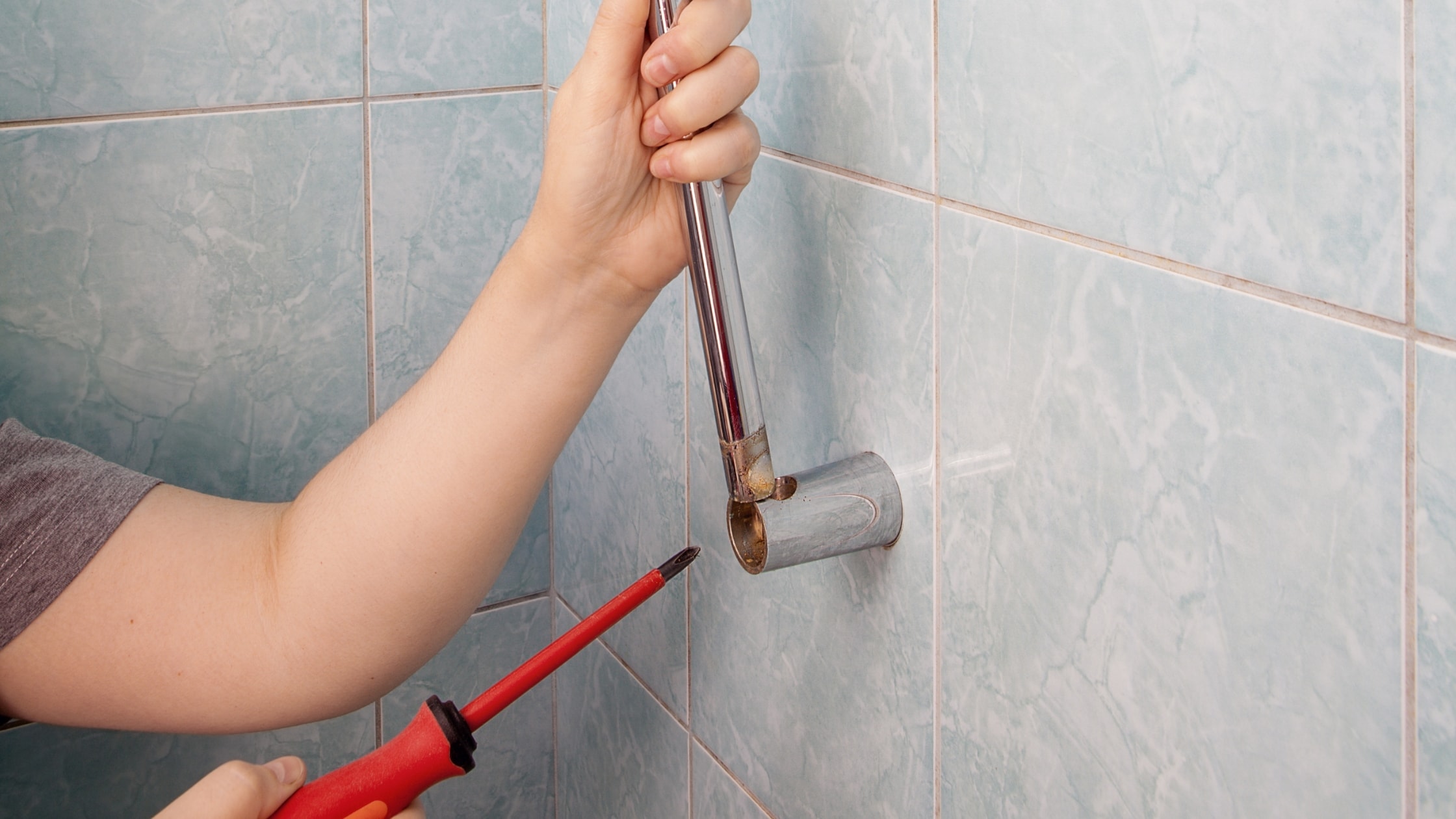
Grab bars represent the most important bathroom safety addition you can make, providing crucial support during entry, exit, and while showering. These bars must be installed directly into wall studs or blocking to support 250 pounds or more, ensuring they hold firm when users need them most. Strategic placement near the shower entrance, along tub walls, and by controls gives users multiple support points throughout their shower routine.
The positioning of grab bars should reflect how people actually move through the shower space rather than following generic placement guidelines. Vertical bars assist with standing and sitting movements, while horizontal bars provide stability during showering and turning. Installing grab bars at appropriate heights for your household members ensures maximum benefit and usability.
Slip-Resistant Flooring Solutions
The shower floor must provide traction in wet conditions to prevent slips that lead to falls and injuries. Textured surfaces, small format tiles with increased grout lines, or specialized slip resistant surfaces create grip that keeps feet secure during showering. These materials maintain their effectiveness through years of use while remaining comfortable underfoot.
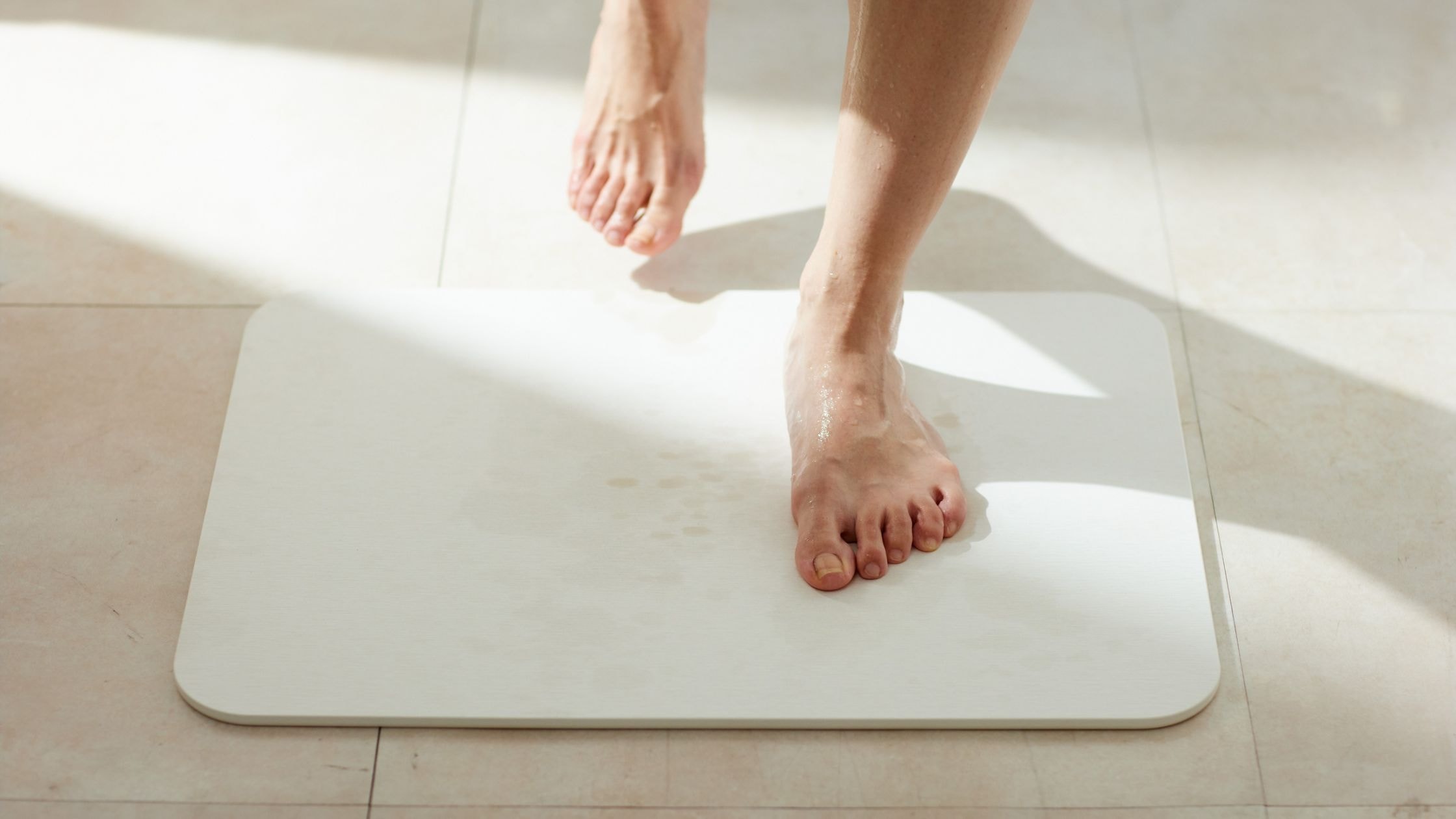
Non slip mats with rubber feet offer an additional layer of protection when placed inside and outside the shower entrance. These mats catch water that drips from users as they exit, preventing wet spots on the bathroom floor that create hazards throughout the room. Quality mats stay in place without sliding and dry quickly between uses to prevent mildew growth.
Big Blue’s Tip: Install grab bars during construction rather than adding them later, as this allows proper blocking placement behind walls for maximum strength and clean installation without exposed fasteners.
Why Does Bathroom Safety Matter More Than Most People Think?
The Real Cost of Bathroom Falls
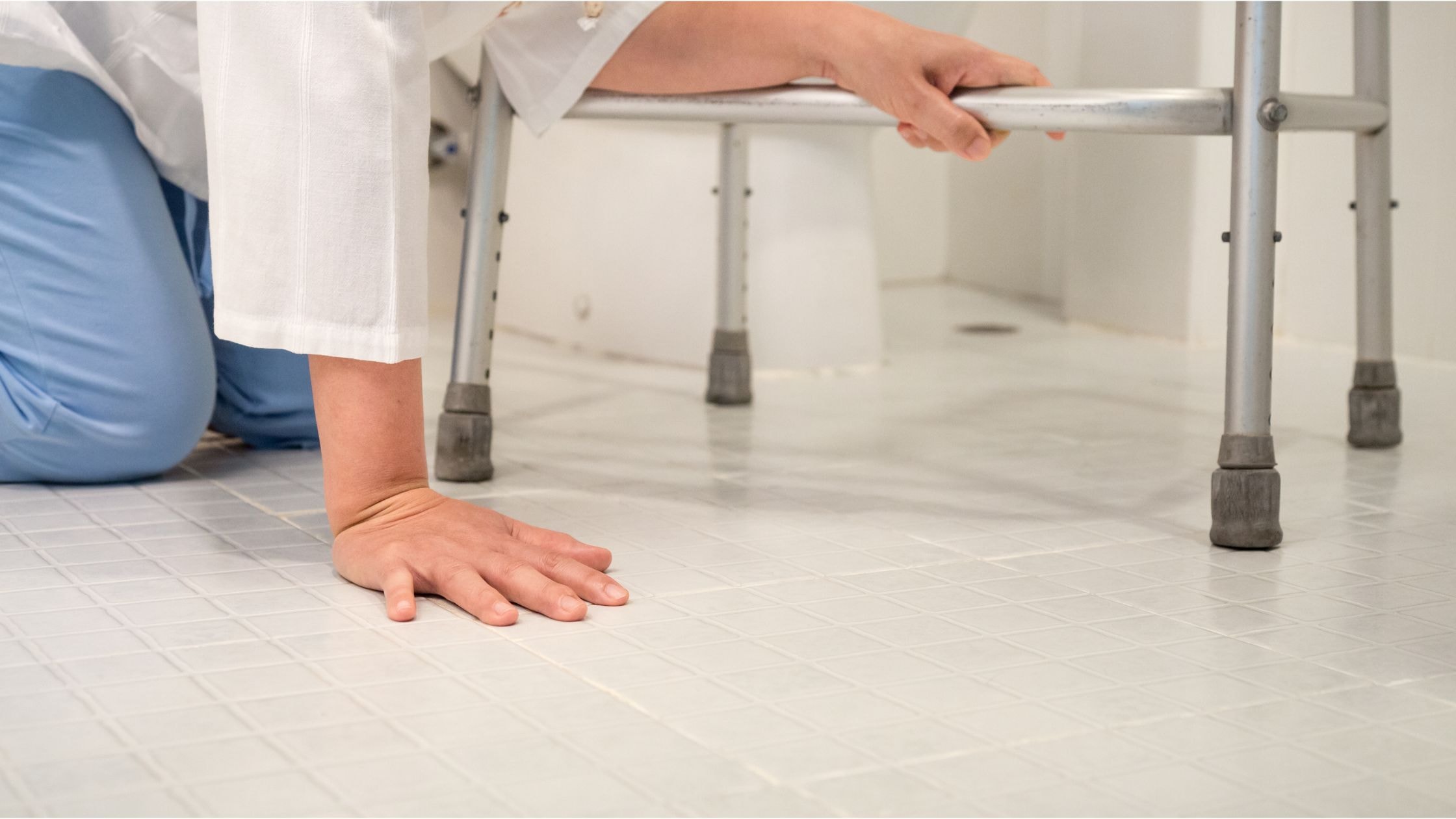
Slips and falls in the bathroom represent a leading cause of injury requiring emergency room treatment and hospitalization. The combination of hard surfaces, water, and awkward positions creates particularly dangerous conditions when accidents occur. Injuries from bathroom falls often prove more severe than falls in other home areas because victims strike fixtures, walls, or floors with significant force.
Recovery from these injuries can be lengthy and expensive, affecting quality of life and independence for weeks or months. The emotional toll on families who watch elderly loved ones struggle after preventable bathroom accidents adds to the overall impact of inadequate safety features.
Prevention Through Proper Design
Installing shower afety features costs a fraction of the expense associated with treating fall injuries and their aftermath. These proactive improvements protect your family while preserving independence for household members who might otherwise require assistance with basic hygiene tasks. The investment in bathroom safety delivers value that extends far beyond the initial installation cost.
For comprehensive planning guidance on your conversion project, visit The Complete Guide to Tub-to-Shower Conversions.
Which Grab Bars Work Best for Different Bathroom Needs?
Types and Placement Strategies
Installing grab bars strategically throughout your bathroom creates a comprehensive support system:
- Entry grab bars positioned vertically near the shower threshold assist with stepping in and out safely
- Wall-mounted horizontal bars along shower walls provide stability while standing and moving during bathing
- Angled bars combine vertical and horizontal benefits for versatile support during various movements
- Corner grab bars utilize often-wasted space while offering support from multiple angles
Each grab bar location should serve a specific purpose based on how your household members use the bathroom. Consider the needs of elderly loved ones or anyone with difficulty standing for extended periods when planning grab bar placement.
Material and Finish Considerations
Stainless steel grab bars resist corrosion in wet environments and provide secure gripping surfaces that don’t become slippery when wet. Textured finishes enhance grip even when hands are soapy or wet, improving safety during actual shower use. The finish should complement your bathroom design while prioritizing function and durability over purely aesthetic concerns.
Did you know? Grab bars installed at a 45-degree angle provide the most versatile support, helping users with both standing up and maintaining balance while showering.
How Do Shower Chairs Improve Bathroom Safety?
Benefits for Users with Mobility Limitations
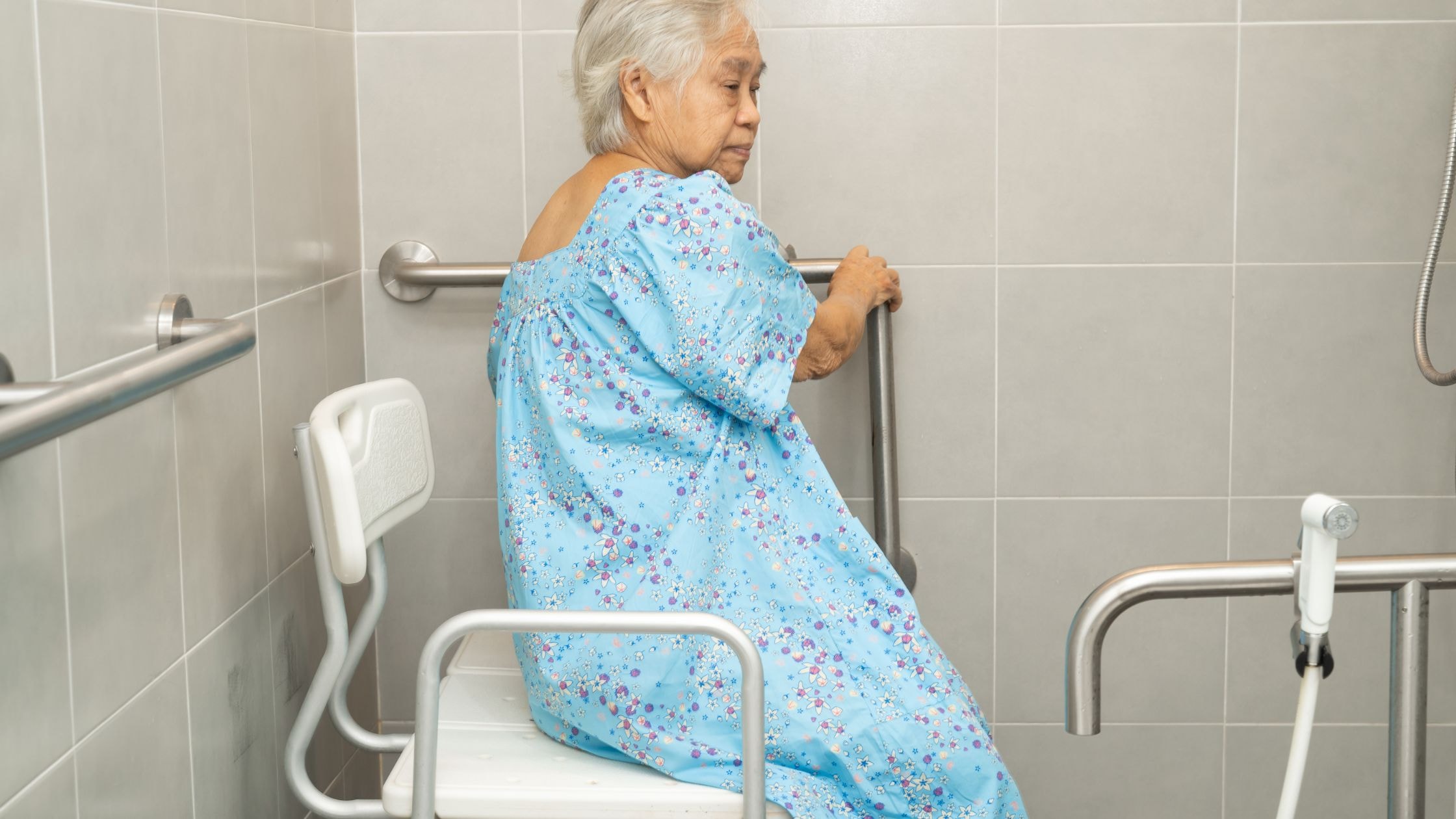
Shower chairs allow people with mobility issues to bathe comfortably while seated, eliminating the need to stand on slippery surfaces for extended periods. This simple addition significantly reduces fall risk for elderly individuals, people recovering from surgery, or anyone with balance issues that make standing showers challenging. The chairs also reduce fatigue and make showering less strenuous for users who tire easily.
Bathtub transfer benches extend from inside the shower to outside, allowing users to sit and slide into the shower without stepping over the threshold. This feature proves particularly valuable for people using wheelchairs or walkers who cannot safely navigate the entry transition while standing.
Selecting the Right Shower Chair
Quality shower chairs feature non-slip rubber feet that grip the shower floor securely without scratching or damaging surfaces. Adjustable height legs accommodate users of different sizes and allow proper positioning relative to grab bars and shower controls. Drainage holes in the seat prevent water pooling while maintaining comfort during use.
The chair should fit comfortably within your shower space without blocking drainage or interfering with door operation. Measure your shower dimensions before selecting a chair to ensure adequate room for both the seat and user movement.
What Other Safety Features Enhance Bathroom Protection?
Water Temperature Controls
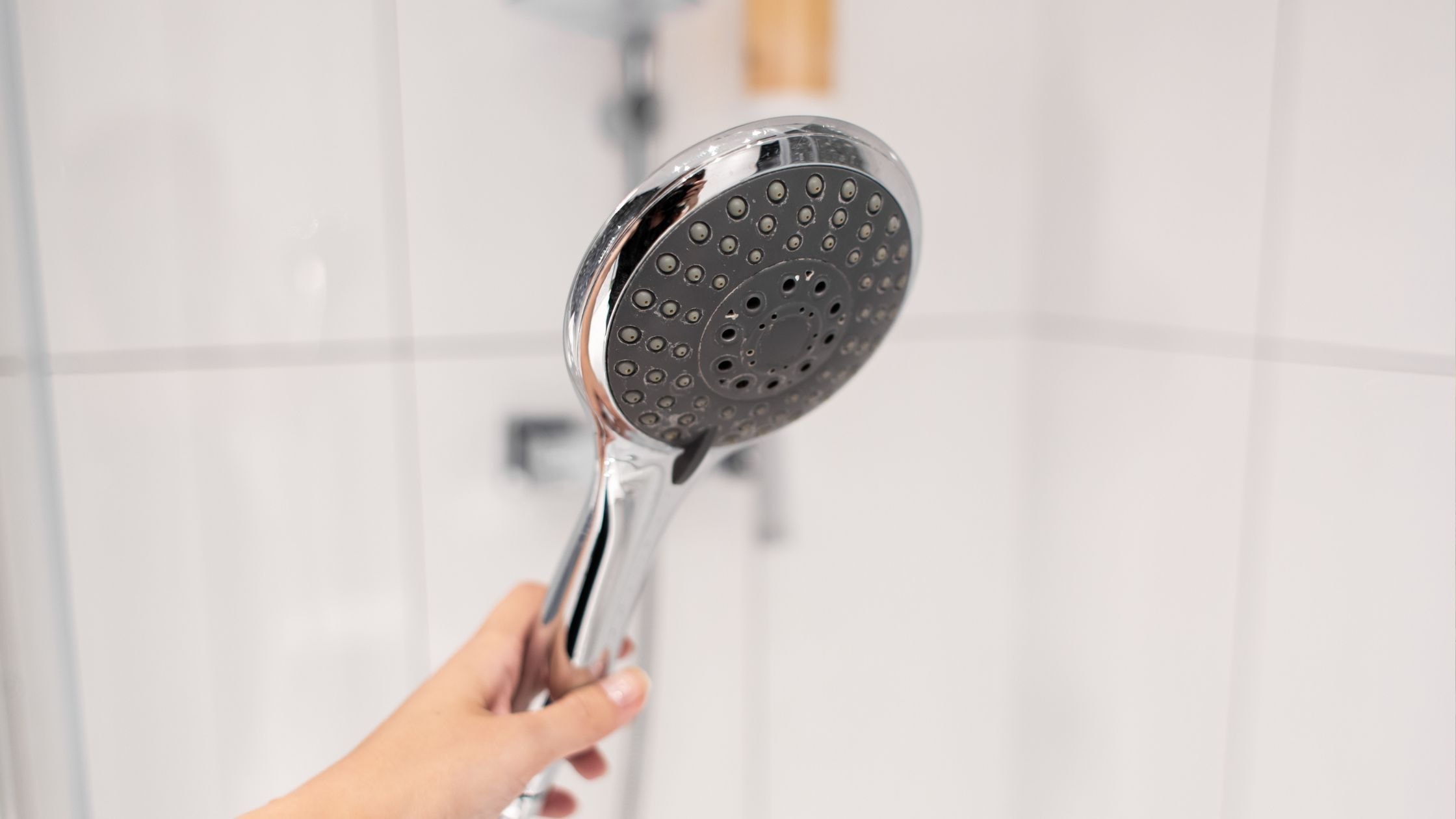
Anti-scald valves regulate water temperature to prevent burns from sudden hot water surges, protecting users who might have difficulty reacting quickly to temperature changes. These devices maintain consistent water temperature even when other household fixtures are used simultaneously. The protection proves particularly important for elderly loved ones and children who may have reduced sensation or slower reaction times.
Thermostatic mixing valves allow preset temperature limits that prevent water from exceeding safe levels regardless of how far users turn the hot water control. This technology provides an additional safety layer that works automatically without requiring user intervention or awareness.
Lighting and Visibility Improvements
Adequate bathroom lighting prevents accidents by helping users see potential hazards like wet spots, dropped items, or obstacles. Bright, even illumination throughout the bathroom reduces shadows and dark areas where hazards hide. Consider adding a night light or low-level lighting for safe nighttime bathroom use when turning on bright overhead lights might be disruptive.
Easily accessible light switches positioned near the bathroom entrance allow users to illuminate the space before entering. Motion-sensor lights provide hands-free illumination that benefits everyone but particularly helps people with mobility issues who might have difficulty reaching switches.
Big Blue’s Tip: Choose matte or textured finishes for bathroom floors rather than glossy tiles, as these surfaces provide better traction when wet and don’t show water spots as prominently.
How Can You Prevent Slips Beyond Floor Surfaces?
Threshold and Entry Design
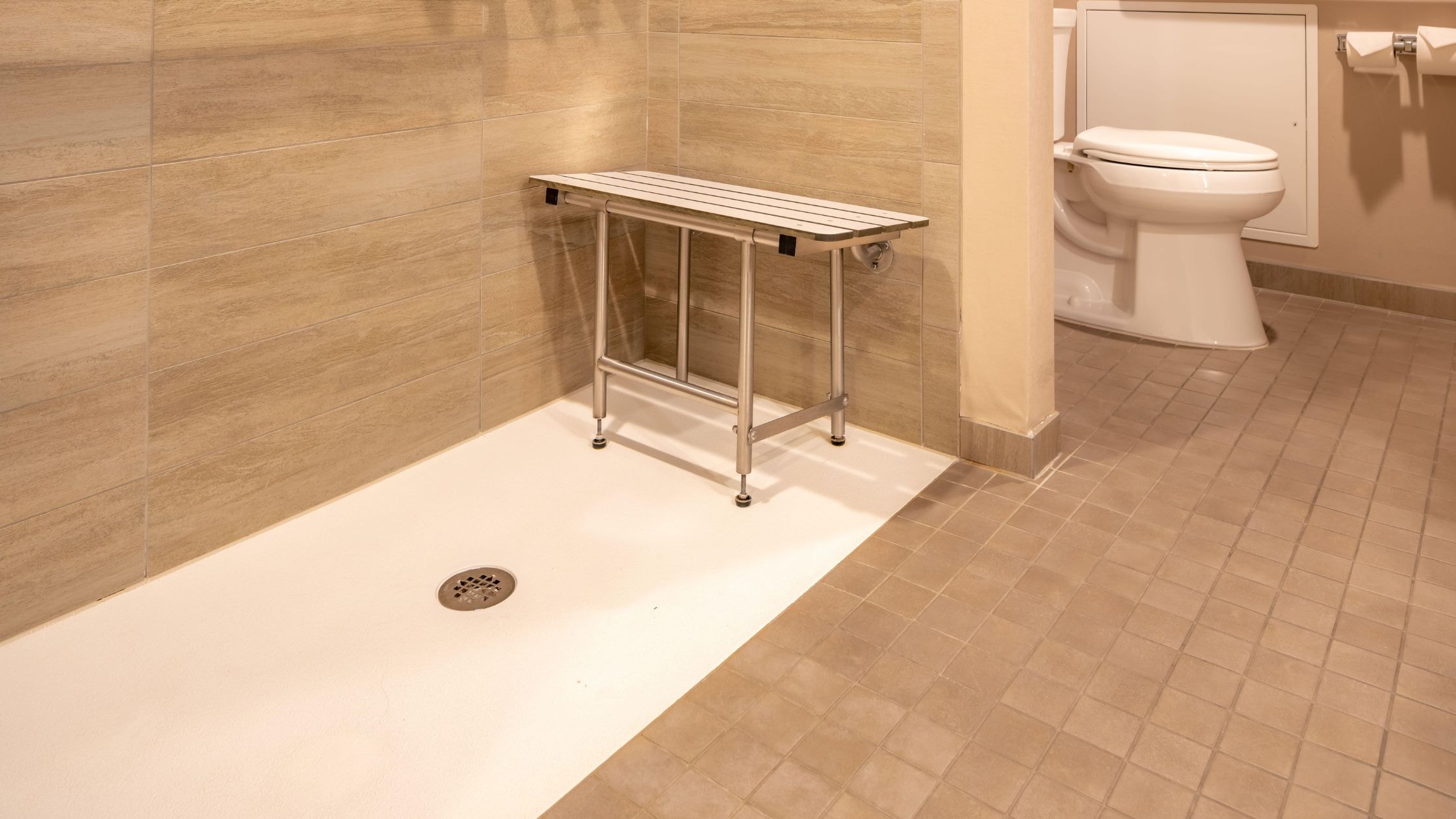
Curbless or low-threshold shower entries eliminate the step-up that creates tripping hazards and makes entry difficult for people with mobility limitations. A gradual slope or minimal height change allows easier, safer access while maintaining effective water containment. This design choice benefits all users but proves essential for anyone using mobility aids or experiencing difficulty stepping over obstacles.
The transition from bathroom floor to shower should include color or texture contrast that helps users identify the boundary even when wet or in low light conditions. This visual cue prevents accidental trips and helps orient users within the space.
Storage and Organization
Keeping bath products organized and easily accessible prevents the need to reach, bend, or stretch in unstable positions that could lead to falls. Built-in niches or shelves positioned at comfortable heights reduce clutter on the shower floor where items become tripping hazards. Proper storage also prevents bottles and containers from falling and creating slippery surfaces or obstacles.
Wall-mounted dispensers eliminate loose bottles while providing easy access to soap and shampoo without the need to manipulate small, slippery containers. These systems reduce clutter and maintain cleaner shower surfaces that drain properly without obstruction.
For detailed information about accessibility improvements, see Accessibility Upgrades for Tub-to-Shower Conversions.
What Safety Features Protect the Entire Bathroom Beyond the Shower?
Bathroom Floor Safety Throughout the Room
The bathroom floor outside the shower requires the same attention to slip resistance as the shower interior, as water inevitably travels beyond the shower threshold during use. Non slip mats with suction cups or rubber backing prevent sliding while catching drips and splashes that would otherwise create hazards. Position mats strategically where users step out of the shower and near the toilet for comprehensive protection.
Proper ventilation reduces moisture throughout the bathroom, minimizing the time floors and surfaces remain wet and slippery. Exhaust fans should run during and after showering to remove excess humidity that contributes to slippery conditions and mildew growth.
Toilet Safety Features
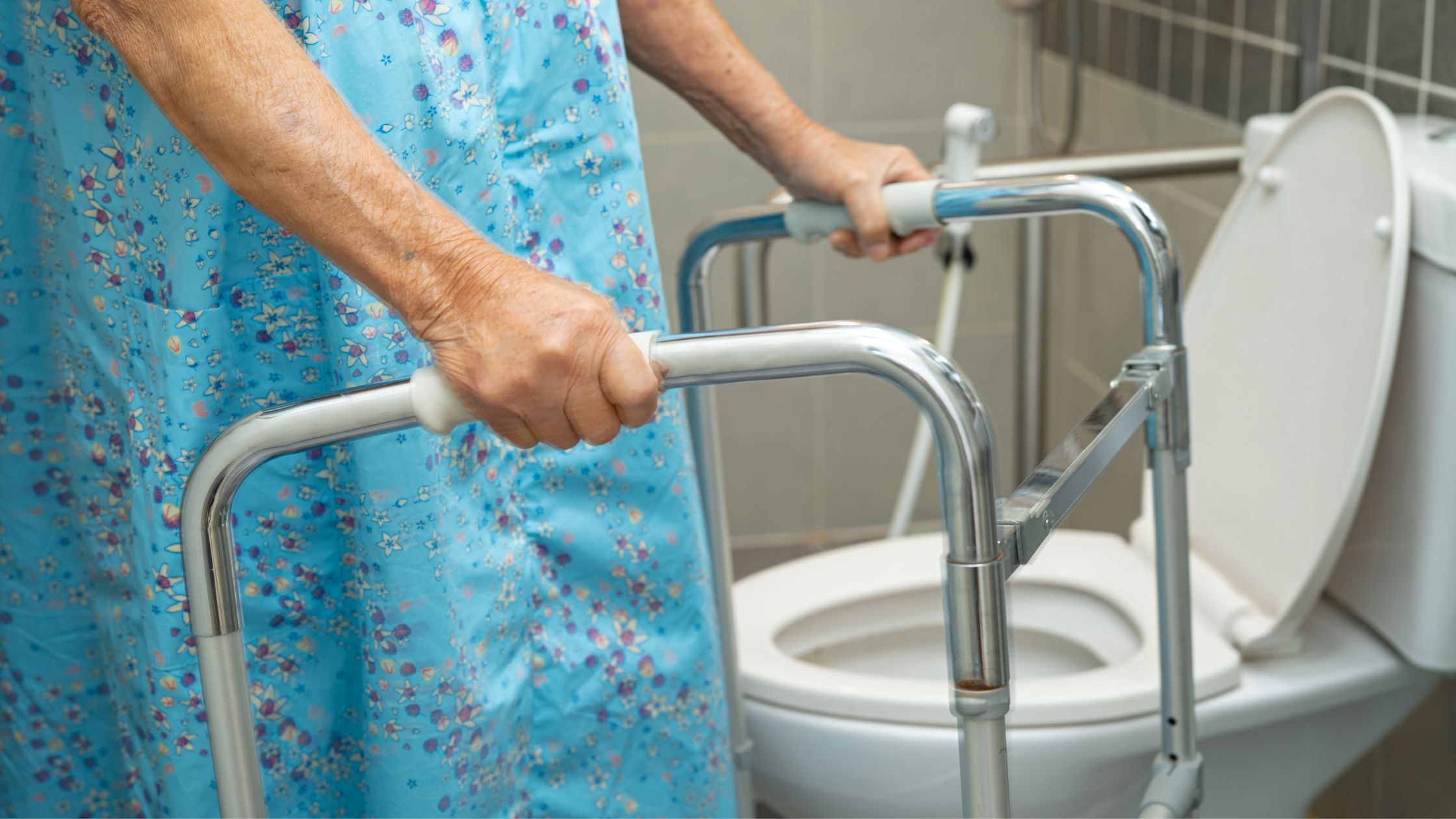
A raised toilet seat makes sitting and standing easier for people with mobility issues or joint problems, reducing strain and improving stability during these transitions. These seats elevate the height by 2-4 inches, bringing the toilet closer to chair height that most people find easier to use. Many models include built-in armrests for additional support.
Grab bars near the toilet assist with the sitting and standing movements that often prove challenging for elderly individuals or people recovering from surgery. Proper placement allows users to support themselves during these transitions without reaching or twisting in ways that could cause falls.
To ensure your entire renovation protects against water damage, review Waterproofing Essentials for Tub-to-Shower Conversions.
Frequently Asked Questions About Bathroom Safety Features
Can you add safety features to an existing shower?
You can add many safety features to existing showers, though some installations work better during renovation projects. Grab bars require solid blocking behind walls for proper support, which may involve opening walls if blocking wasn’t installed originally. Shower chairs, handheld shower heads, and non-slip mats can be added to any existing shower without construction work.
What is the most important shower safety feature for elderly bathroom users?
Grab bars represent the most critical shower safety feature for elderly users, providing essential support during all bathroom activities. Proper grab bar placement near the toilet, shower, and bathtub significantly reduces fall risk and helps maintain independence for aging family members. The bars should be installed professionally with adequate support to ensure they hold firm when needed.
Do non-slip mats work as well as textured flooring?
Non slip mats provide good temporary protection but textured flooring offers more reliable, permanent slip resistance. Mats can shift position, collect mildew, or wear out over time, while properly installed slip-resistant flooring maintains consistent traction throughout its service life. The best approach combines textured shower floors with quality mats outside the shower for comprehensive protection.
Where should grab bars be installed in a shower?
Grab bars should be installed near the shower entrance for entry and exit support, along at least one wall for stability while showering, and near water controls for balance while adjusting temperature. Vertical placement helps with standing and sitting, while horizontal bars provide support during showering and turning. The specific placement should reflect the heights and needs of household members who will use the shower.
Creating a Safer Bathroom for Your Entire Family

Bathroom safety features protect your loved ones while maintaining the independence and dignity that matter so much to aging family members and people with mobility challenges. The conversion from tub to shower provides an ideal opportunity to integrate these essential upgrades in ways that look attractive while delivering reliable protection against the slips and falls that occur too often in bathrooms lacking proper safety features.
Blue Mountain Bathrooms combines quality craftsmanship with thoughtful safety integration that protects your family without compromising design. Their expertise ensures that grab bars, non slip surfaces, and other safety features are installed correctly and positioned for maximum effectiveness, giving you confidence that your bathroom renovation will serve your household safely for decades to come.