
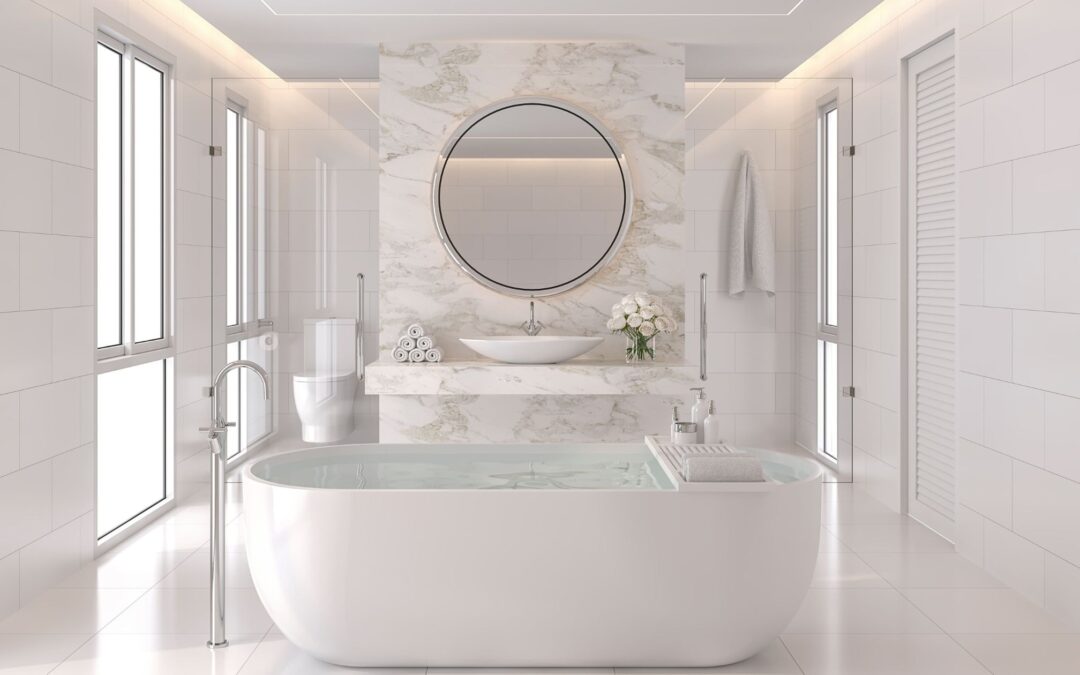
Choosing between a bathtub vs walk in shower represents one of the most significant decisions homeowners face during bathroom renovations. This choice affects daily routines, space availability, resale value, and overall comfort.
Understanding the Bathtub vs Walk in Shower Decision
The debate between bath or shower options has evolved as modern bathrooms offer more design flexibility. Walk in showers have gained popularity for their sleek appearance and accessibility, while bathtubs appeal to those who value relaxation.
Walk in showers provide quick, efficient bathing. Bathtubs offer a place to relax and soothe sore muscles after a tough workout. Some households find that a shower tub combo or tub shower combo provides versatility.
The layout plays a crucial role. Small bathroom spaces may benefit from a curbless walk in shower that creates an open feel.
Did you know? According to the National Association of Home Builders, bathroom renovations consistently rank among the top three home improvement projects for return on investment.
Walk in Showers: Modern Convenience and Accessibility

Walk in showers have become the essential feature of contemporary bathroom design. These showers eliminate the need to step over a high tub edge, making them safer and more accessible. The curbless shower design allows seamless entry, accommodating wheelchairs and walkers.
The design flexibility of walk in showers allows homeowners to create a custom shower space. Options include rain shower heads for a spa like experience, multiple shower heads, and built-in benches. Glass doors or glass enclosure systems create an open feeling while containing water spray.
Maintenance favors walk in showers over traditional bathtubs. The shower pan and walls require less time to clean than a bathtub. Non slip tiles provide safety, and proper ventilation prevents poor ventilation issues.
Walk in showers also contribute to energy efficiency. These showers typically use less hot water than filling a bathtub, helping homeowners save money on water and energy bills.
Design Options for Walk in Showers
Modern walk in showers offer extensive customization. A standard shower measures approximately 36 by 36 inches, while larger designs accommodate benches and multiple shower heads. When replacing an average shower with a new shower, homeowners can upgrade to larger sizes with premium features.
Curbless showers represent the pinnacle of accessible design. These barrier-free entries create a seamless transition from bathroom floor to shower area.
Big Blue’s Tip: When planning a walk in shower, invest in quality waterproofing during installation. Proper moisture barriers and slope prevent water damage and ensure the shower performs well for decades.
Bathtubs: Relaxation and Family Functionality

Bathtubs continue to hold appeal despite the growing popularity of walk in showers. A hot bath provides therapeutic benefits that showers cannot match. The warm bath water helps soothe sore muscles, reduce stress, and promote better sleep.
Families with small children find bathtubs valuable. Bathing children in a tub provides a safe, contained environment where parents can bathe children without water mess spreading. The standard bathtub works well for bath time routines. Many young families prioritize having at least one bathtub in their home to provide this personal space for family needs.
The health benefits of soaking extend beyond simple relaxation. Warm water immersion can improve circulation and ease joint pain. These therapeutic advantages make bathtubs attractive to homeowners who prioritize wellness.
Specialty bathtubs offer enhanced features for ultimate comfort. A whirlpool tub provides massage jets that target specific muscle groups, while a walk in tub combines bathtub benefits with easier access for those with mobility issues. Homeowners can find whirlpool tubs in various sizes and configurations to match their bathroom space and budget. These premium options vary dramatically depending on features and brand, but they deliver experiences that standard showers cannot replicate.
Bathtub Design Considerations
Selecting the right bathtub involves evaluating size, material, and features. The standard bathtub or standard sized tub measures approximately 60 inches long and 30 inches wide. The average bathtub fits most layouts without requiring extensive modifications.
Material choices affect both appearance and maintenance. Acrylic tubs offer durability and easy cleaning, while cast iron tubs provide excellent heat retention. The selected material influences how well the tub maintains bath water temperature.
The Shower Tub Combo Solution
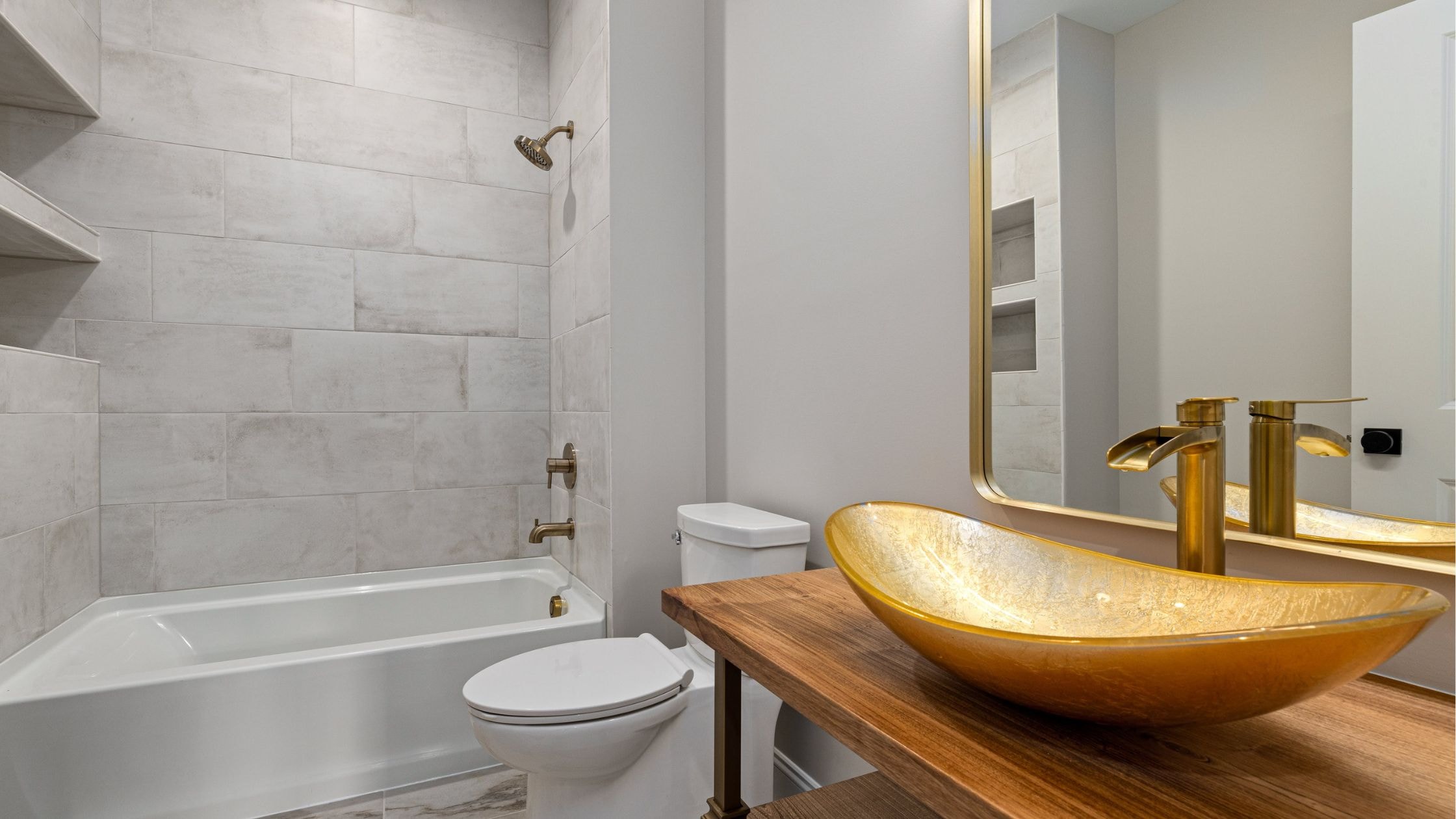
For households torn between shower vs bathtub options, a shower tub combo or tub shower combo offers a practical compromise. This configuration provides both bathing options in a single footprint, maximizing functionality in homes with limited space. The one bathroom home or average bathroom can benefit from this versatile approach.
A tub shower combo typically includes a standard bathtub with shower fixtures installed above it. Glass doors or a shower curtain contains water during shower use. This setup works well in the main bathroom where multiple household members with different preferences share the space.
The shower combo approach does have limitations. The need to step over the tub edge creates accessibility challenges. However, for families who need both options and lack space for separate fixtures, this combination delivers practical value.
Big Blue’s Tip: If choosing a tub shower combo, select quality hardware that can handle daily shower use while maintaining a watertight seal. Poorly installed or maintained fixtures lead to water damage behind walls.
Bathroom Layout and Space Considerations
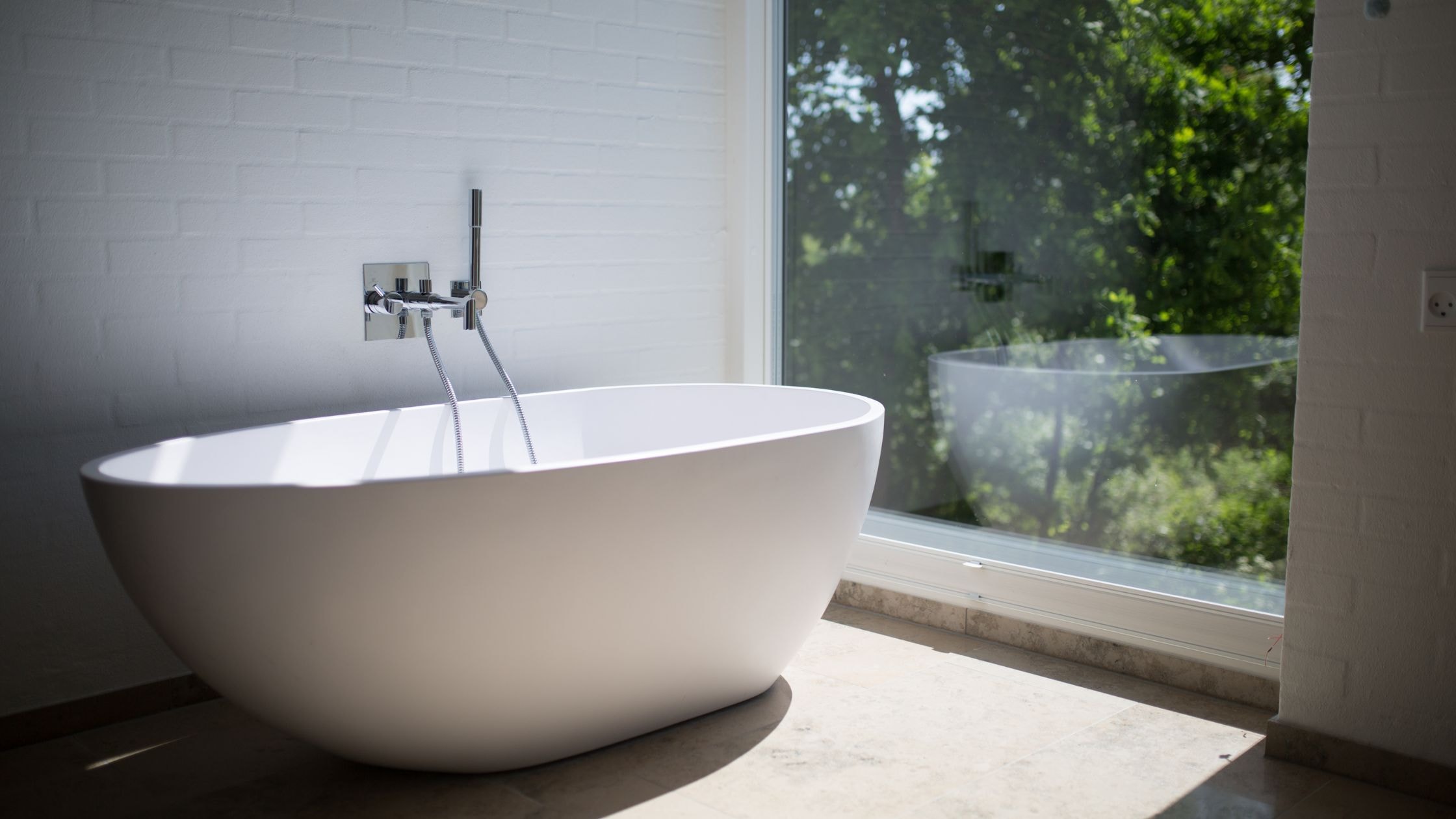
The existing layout impacts the bathtub vs walk in shower decision. A small bathroom may lack space for both fixtures, though creative layouts can create more space through smart design choices.
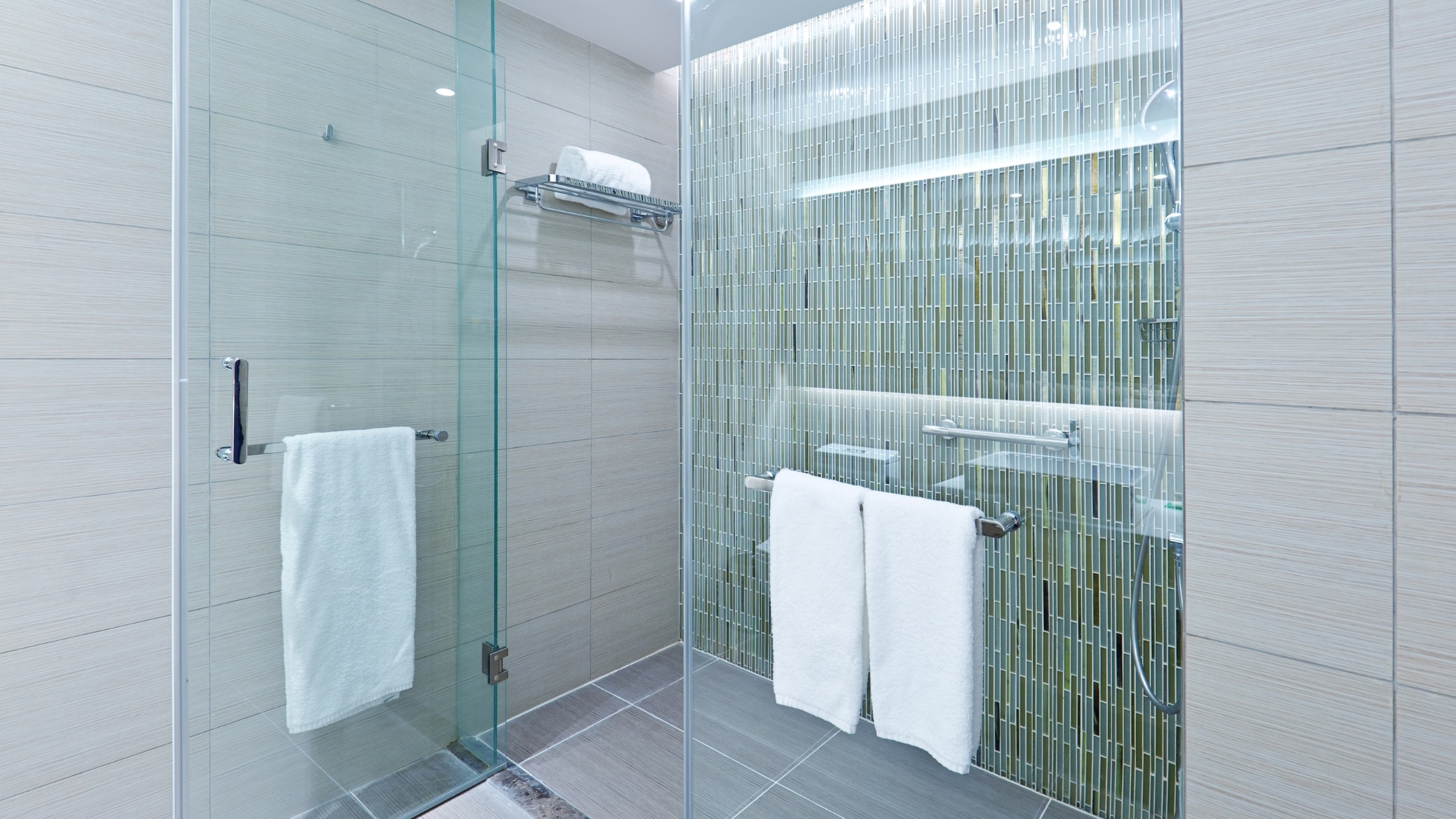
Walk in showers often work better in smaller bathrooms because they create an open feeling. A curbless walk in shower with a glass enclosure maintains sight lines across the bathroom.
Converting between fixtures requires professional planning. Homeowners who want to transform their existing tub into a walk-in shower should consult with bathroom specialists. For those working with tight bathroom spaces, creative solutions maximize available space.
Resale Value and Market Considerations
The impact on resale value represents a crucial consideration. Home buyers often have strong preferences regarding bathroom fixtures.
Research suggests that homes with one bathtub maintain stronger resale value than homes with only a shower in every bathroom. Families with small children specifically seek homes with at least one tub. Real estate professionals recommend that homes with multiple bathrooms keep one tub to appeal to the broadest buyer pool.
However, shower resale value continues to strengthen as demographics shift. Aging populations increasingly prioritize accessibility features, and walk in showers meet this need. The master bath often sets different expectations. Many buyers expect the primary bathroom to include either a luxurious shower or both shower and tub options.
Balancing Personal Needs with Resale Considerations
Homeowners should weigh current needs against future resale concerns. Households expecting to move within five years might consider how their choices affect appeal to the target resale market.
For homeowners with multiple bathrooms, keeping one bathroom with a tub while installing walk in showers in other bathrooms often provides the best balance.
Health Benefits and Wellness Considerations
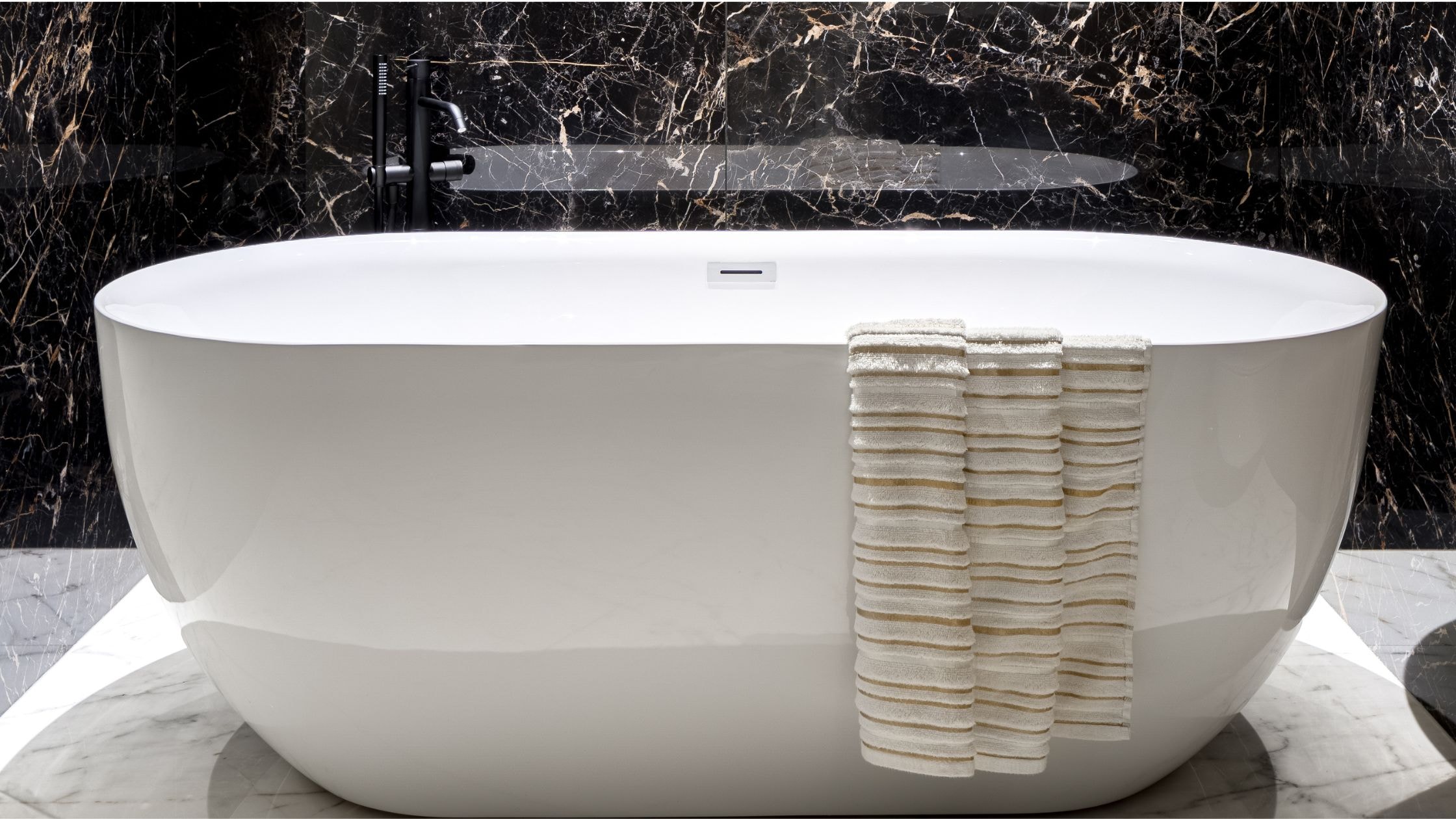
Both bathtubs and walk in showers offer health benefits. Walk in showers excel at promoting active, efficient daily routines. The accessibility features of curbless showers support aging in place. Grab bars easily integrate into shower designs, providing safety.
Bathtubs shine when it comes to therapeutic relaxation. The warm water immersion provides benefits that extend beyond basic cleanliness. Soaking can reduce stress hormones and ease muscle tension.
The choice depends on how household members prioritize different aspects of wellness.
Cost and Maintenance Factors
Installation costs and ongoing maintenance differ between walk in showers and bathtubs. Walk in showers typically cost more to install initially, particularly custom shower designs. However, daily maintenance proves simpler.
Bathtubs generally involve lower installation costs for standard models but require more regular cleaning effort. Curbless showers demand careful installation to ensure proper drainage.
Making the Right Choice for Your Household
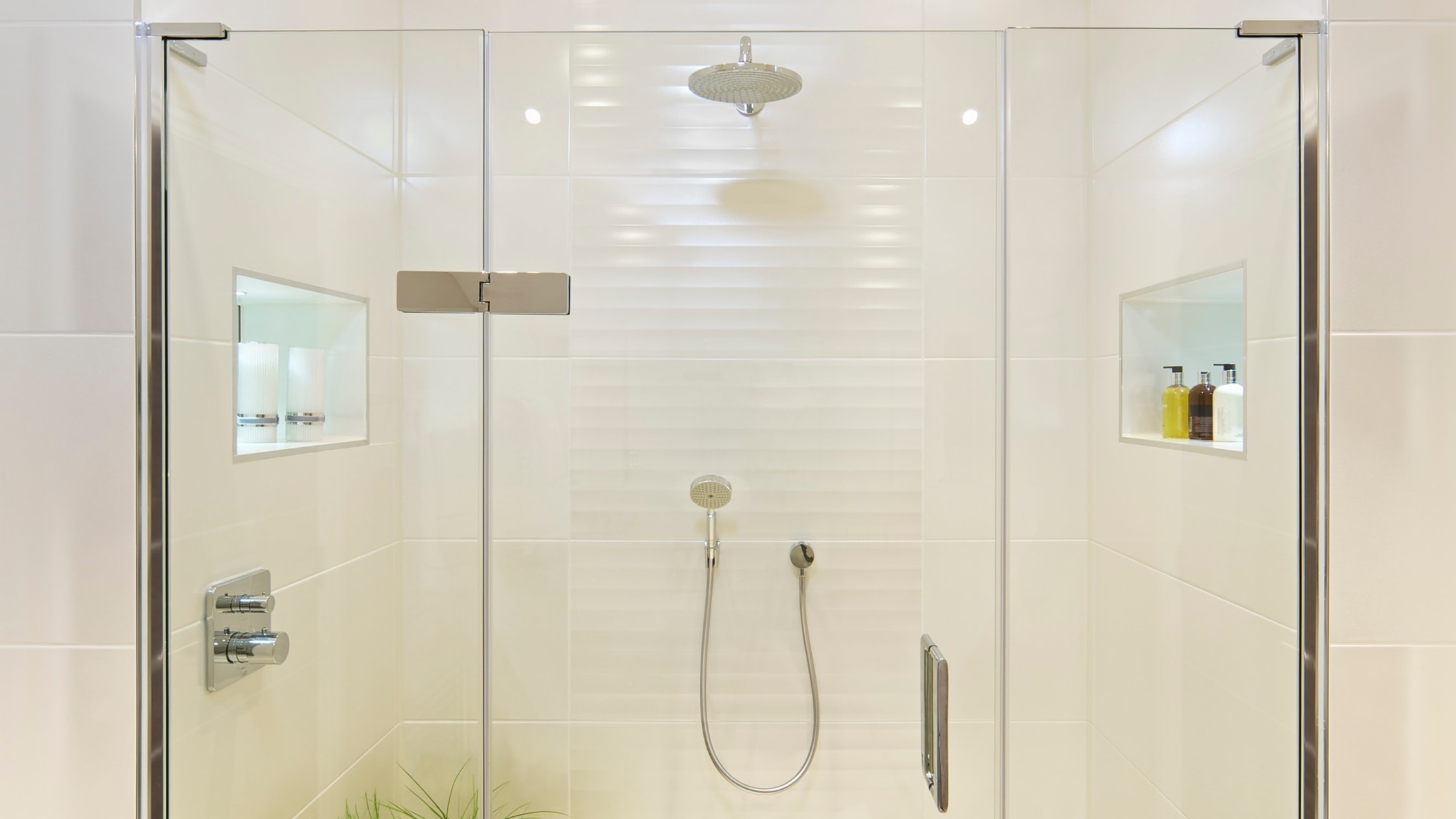
A few key considerations help homeowners navigate the bathtub vs walk in shower decision.
Household composition tops the list. Families with small children typically benefit from having one tub. Empty nesters might prioritize walk in showers. Some households find that a shower combination approach provides flexibility.
Physical mobility needs also weigh heavily. Household members with mobility issues find walk in showers easier and safer. A walk in tub provides some accessibility benefits while maintaining bathing options. The choice between a shower or a bathtub often comes down to accessibility requirements.
Long-term plans affect the optimal choice. Homeowners planning to age in place should consider how their needs might evolve. Installing walk in showers with grab bars and non-slip surfaces now prevents costly retrofits later.
Accessibility Upgrades and Future Planning

Accessibility deserves consideration even for households without current mobility concerns. Building accessibility features into initial designs costs less than retrofitting later.
Walk in showers naturally lend themselves to accessible design. The barrier-free entry of a curbless shower eliminates the primary obstacle. Adding a built-in bench provides a safe place to sit during showering.
Grab bars represent an essential safety feature for both showers and bathtubs. Modern grab bars come in attractive finishes that coordinate with other bathroom hardware.
Homeowners interested in comprehensive accessibility modifications can explore options that maintain aesthetic appeal while meeting ADA guidelines.
Frequently Asked Questions
Is a bath or shower better for resale value?
The answer depends on the number of bathrooms and the target resale market. Homes with multiple bathrooms should keep at least one tub to appeal to families with small children. Walk in showers gain popularity among buyers over age 55. The master bath often benefits from a luxurious shower or both options.
Can you put a tub shower combo in a small bathroom?
Yes, a shower tub combo works well in smaller bathrooms by providing both options in a single footprint. This configuration fits the same space as a standard bathtub. The tub shower combo represents efficient use of space in the one bathroom home.
What are the health benefits of bathtubs compared to showers?
Bathtubs offer therapeutic advantages through warm water immersion. Soaking in a hot bath helps soothe sore muscles, reduce stress, and improve circulation. Walk in showers provide quick cleaning and accommodate mobility devices, but cannot replicate the full-body relaxation of a bath.
How much space do walk in showers need compared to bathtubs?
A standard shower typically requires a 36-by-36-inch footprint, while a standard bathtub measures approximately 60 inches long and 30 inches wide. Walk in showers can fit various spaces, and curbless showers create an open feeling in small bathroom areas.
Do curbless showers work in standard bathroom layouts?
Yes, curbless showers can be installed in most standard bathroom spaces with proper planning. The key requirement is creating adequate floor slope for drainage. These barrier-free showers work well in smaller bathrooms where eliminating visual barriers makes the space feel more open.
Should I keep a bathtub if I have only one bathroom?
Homes with one bathroom typically benefit from keeping at least one bathtub or installing a tub shower combo. This maintains flexibility and preserves resale value for families who need bath options for bathing children. If accessibility is the primary concern, a walk in tub provides bathing functionality with easier entry.
What features make a walk in shower luxurious?
A luxurious shower includes rain shower heads that provide a spa like experience, multiple body spray jets, custom tile work, built-in benches, and quality glass enclosure systems. Other premium touches include digital temperature controls and high-end fixtures that serve as a focal point in bathroom design.
Creating Your Ideal Bathroom Space
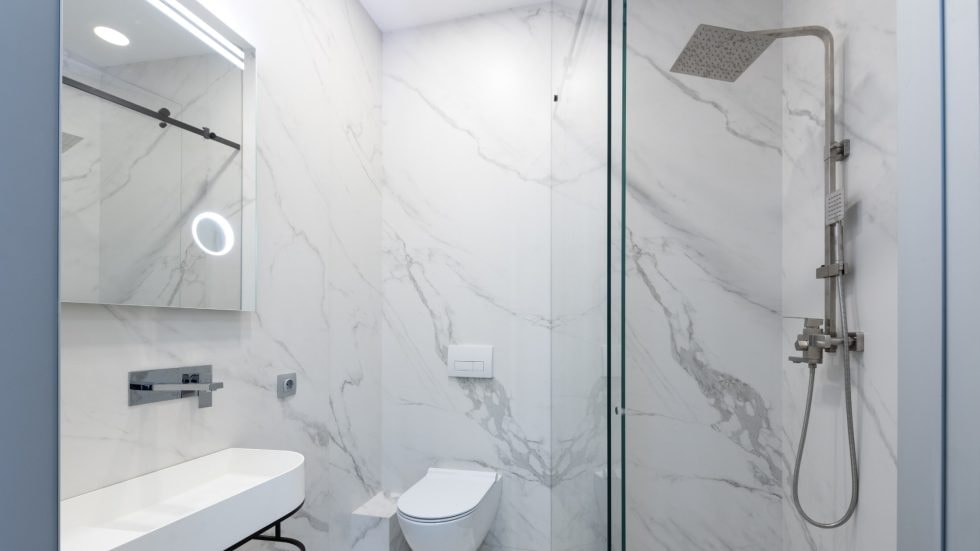
The bathtub vs walk in shower decision comes down to understanding household priorities, space constraints, and long-term plans. Neither option is inherently superior—each serves different needs effectively.
Households should consider daily bathing patterns. If quick showers dominate routines but occasional soaking remains desirable, a shower stall might work well for one bathroom while keeping a bathtub in another. If bathing children represents a regular need, maintaining access to at least one tub makes sense.
Space availability shapes the realistic options. Small bathroom layouts may force a choice between fixtures. Budget considerations extend beyond initial installation to include maintenance and potential energy bills savings.
The new bathroom or bathroom renovation represents an opportunity to create a space that serves household needs. Taking time to evaluate options and consulting with professionals ensures the choice delivers satisfaction for years. Whether selecting a walk in shower, a traditional bathtub, or a combination approach, thoughtful planning creates a full bathroom that enhances daily life while protecting home value.