
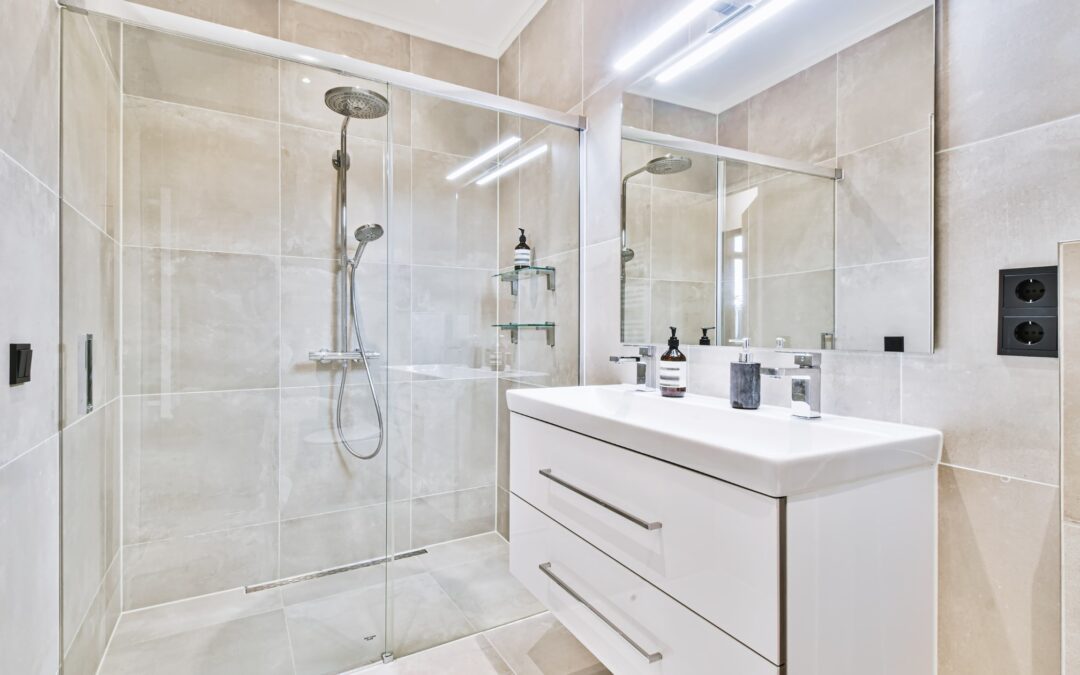
Transforming a compact bathroom through a small bathroom shower conversion opens up possibilities that many homeowners never imagined. Limited square footage becomes an opportunity to create a stylish, functional space that feels larger. Understanding the right design choices, layout options, and space-saving techniques helps maximize every inch.
Understanding Small Bathroom Shower Conversion
A small bathroom shower conversion replaces a traditional bathtub with a walk in shower designed for compact spaces. This transformation creates more room for movement, easier access, and a more open feeling. The conversion process involves removing the existing tub, addressing the floor and wall surfaces, and installing a shower designed to maximize available space.
Every inch matters in small bathrooms. Careful planning ensures the new shower space serves daily needs without overwhelming the room. The bathroom design choices made during conversion significantly impact how the finished space functions and feels.
Did you know? Converting from a tub to a walk in shower in a small bathroom can increase usable floor space by up to 30 percent, making the room feel significantly more open and easier to navigate.
Shower Conversion Ideas That Maximize Space
The most effective shower conversion ideas for small bathrooms focus on creating visual space while maintaining functionality. A walk in shower with a frameless glass enclosure eliminates visual barriers. The transparent glass allows sight lines to extend across the entire bathroom, creating the illusion of a larger space.
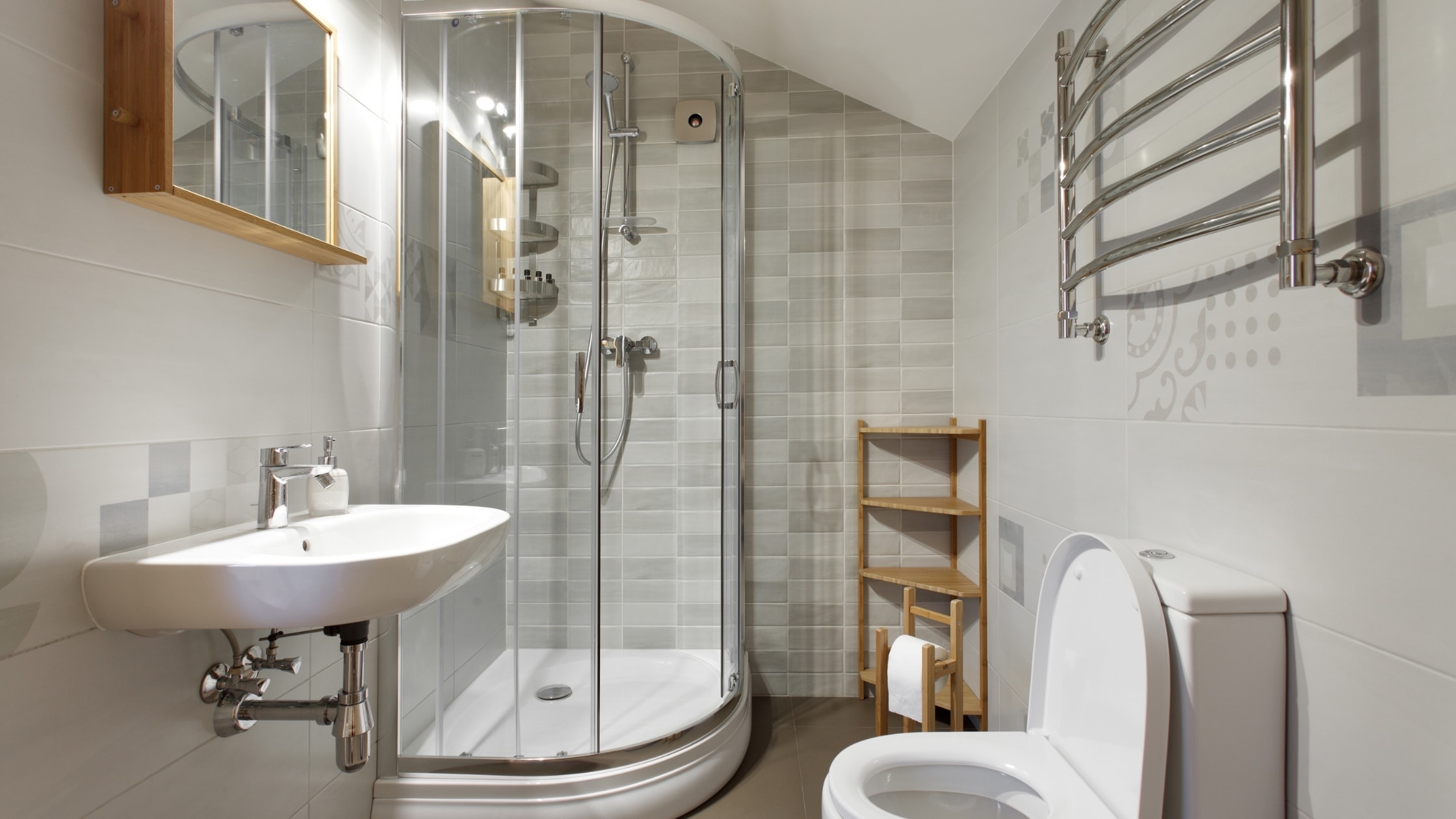
Corner showers represent an excellent solution for small bathroom layouts. These configurations tuck into an unused corner, freeing up valuable wall space. A corner shower with a neo-angle design provides generous interior space while minimizing the footprint.
Curbless walk in showers eliminate the raised threshold. This barrier-free design creates a seamless transition from the bathroom floor to the shower floor. The continuous floor plane makes the entire room feel more cohesive and spacious.
Creative Layout Solutions for Small Walk in Shower Designs
Small walk in shower layouts require strategic planning. Placing the door opening on the diagonal creates a more welcoming entry and can make the small shower feel larger. This angled approach works particularly well with corner installations where a small shower must maximize limited space.
Linear drains positioned along one wall allow for a single-slope floor that directs water efficiently. This design choice provides more flexibility in tile layout and creates cleaner visual lines.
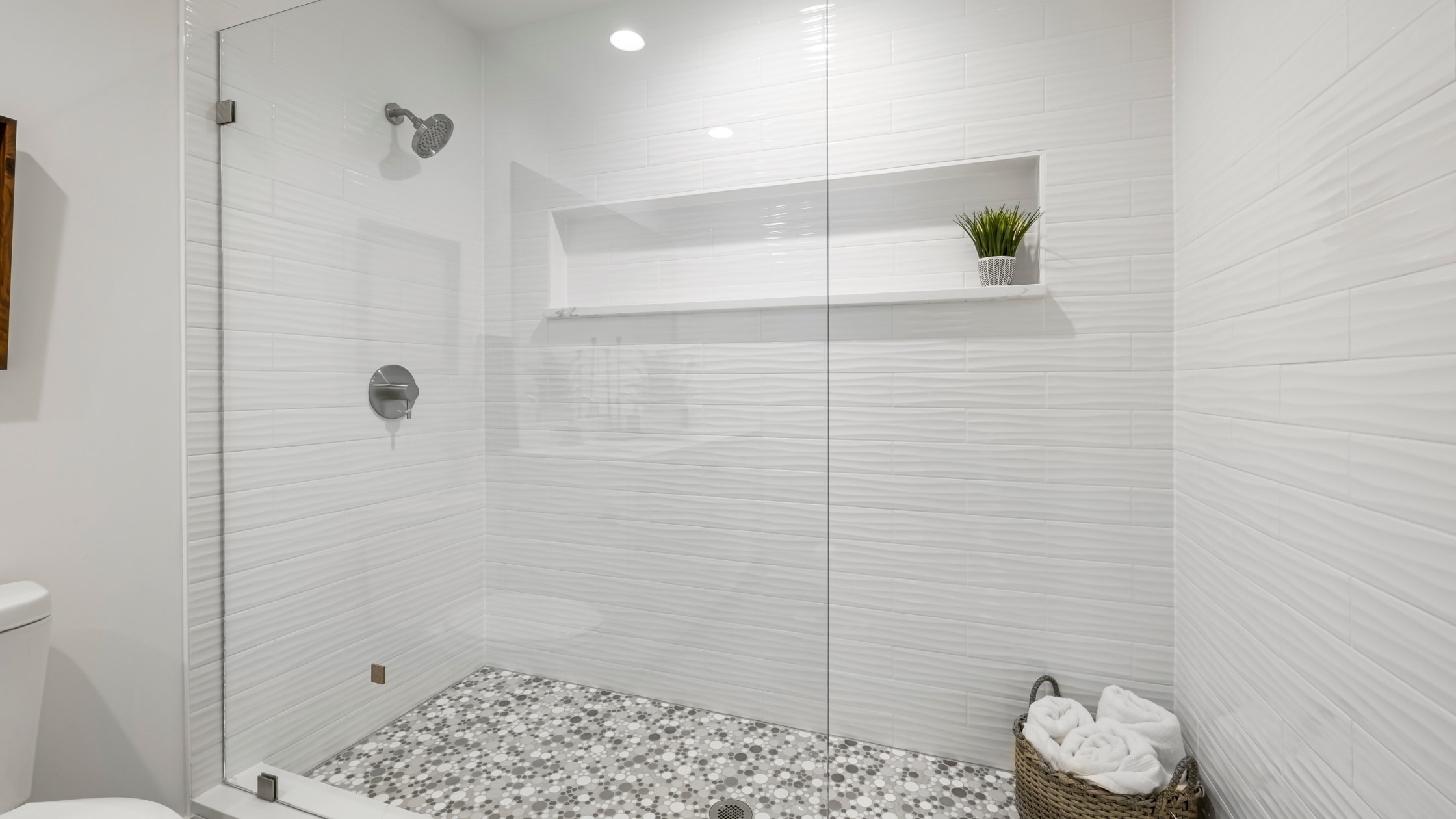
Recessed niches built into shower walls provide essential storage without protruding into the shower space. These built-in shelves keep bathing products organized while maintaining clean lines. Multiple niches at different heights accommodate various product sizes.
Big Blue’s Tip: Install the shower head at the far end of the shower rather than above the entry point. This placement draws the eye deeper into the space, making the shower feel longer and more spacious while keeping water spray away from the entry.
Tile Selection for Small Bathroom Design
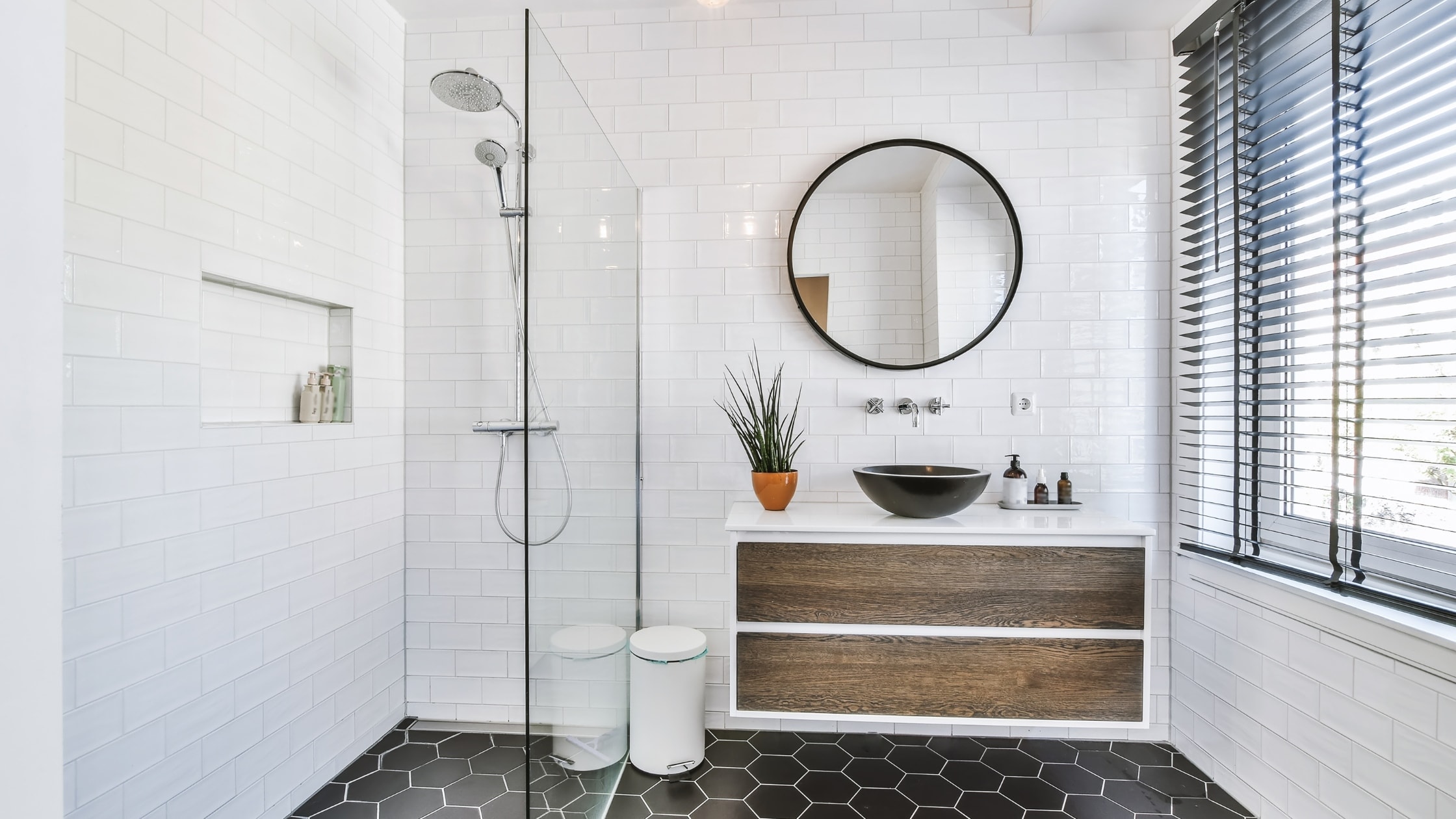
Tile choices profoundly impact how spacious a small bathroom feels. Large-format tiles reduce grout lines visible on surfaces, creating cleaner visual planes. A floor covered in 12-by-24-inch tiles looks more expansive than the same floor tiled with smaller squares.
White tile remains the most popular choice for small bathroom remodels because it reflects light and creates an airy feeling. White tiles on the floor, shower walls, and other surfaces create visual continuity. The monochromatic approach eliminates visual breaks that can make rooms feel smaller.
Light-colored tiles in cream, light gray, or soft beige provide similar space-enhancing benefits. These neutral tones create a spa-like atmosphere. The key is maintaining light values that reflect natural light.
Mosaic Tiles as Design Accents
Mosaic tiles add visual interest when used strategically. A vertical stripe of mosaic tiles running from floor to ceiling on one wall creates a focal point that draws attention upward. This design technique emphasizes ceiling height.
Using mosaic tiles as an accent band at eye level creates visual interest while breaking up expanses of solid-color tile. Choosing mosaic tiles in colors that complement the primary tile selection ensures cohesion.
Mosaic tiles work beautifully as shower floor tile because the smaller pieces allow for proper slope. A mosaic tile shower pan in a color slightly darker than the shower walls creates subtle definition.
Big Blue’s Tip: When using mosaic tiles, stick to a simple color palette of two or three shades maximum. Too many colors create visual chaos that makes small bathrooms feel busy and cramped rather than open and serene.
Glass Solutions for Shower Doors
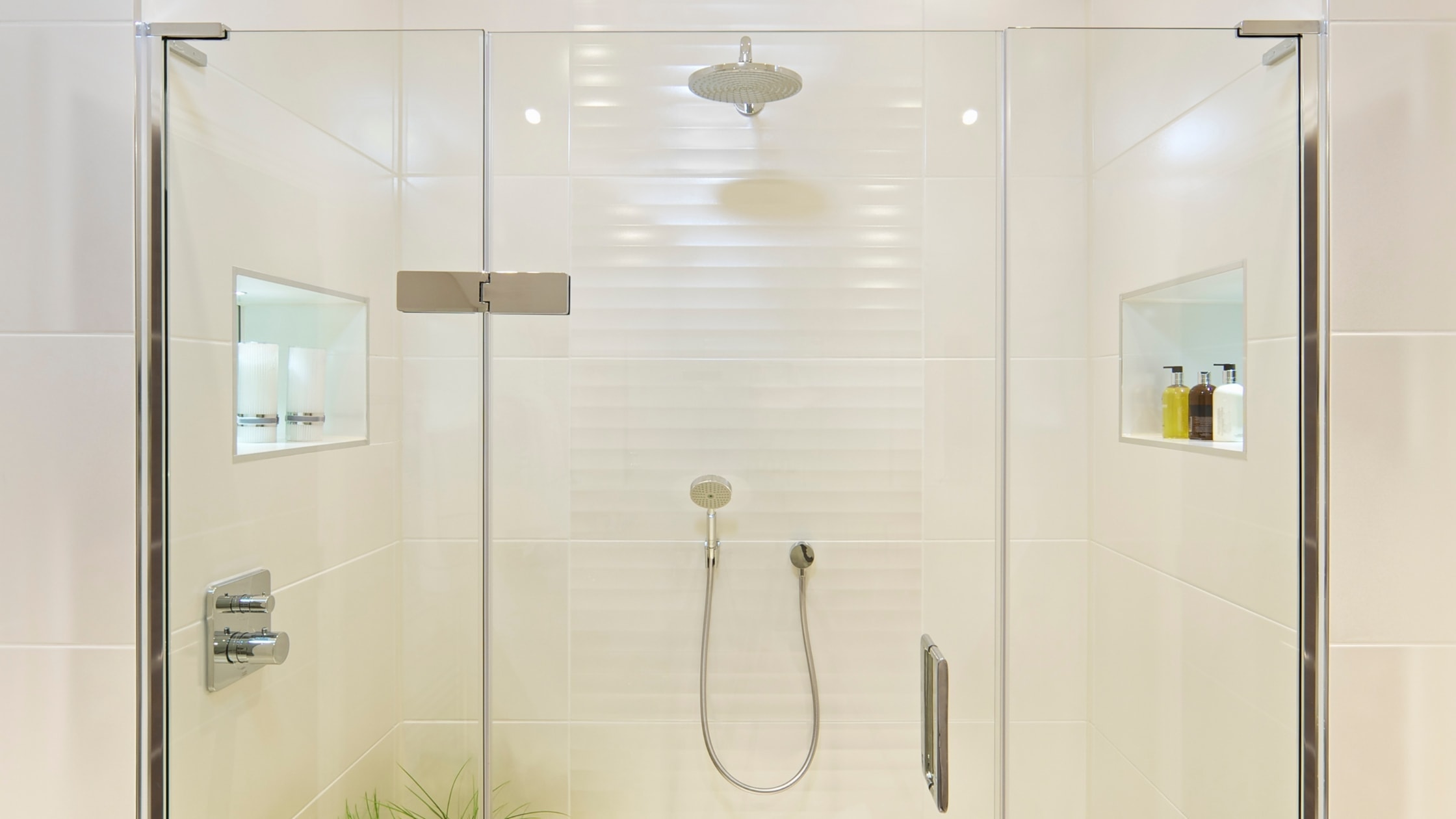
The door selection dramatically affects how spacious a small bathroom feels. Frameless glass shower enclosures eliminate heavy metal frames that create visual barriers. The clear glass panels allow uninterrupted sight lines.
A single glass panel secured to the wall creates a minimalist wet room effect. This half-wall or three-quarter wall of glass contains shower spray while leaving the shower space open.
For bathrooms requiring more water containment, a frameless hinged glass door provides full enclosure while maintaining clean lines. Clear glass works best for small spaces.
Alternatives to Traditional Shower Doors
Sliding glass doors work well when space constraints prevent installing a door that swings outward. These space-efficient doors glide along tracks without requiring clearance for door swing.
Doorless walk in showers eliminate doors entirely, creating the most open feeling possible. This approach requires careful planning to prevent water escape but delivers unmatched visual spaciousness.
Color and Light Strategies

Natural light dramatically impacts how spacious small bathrooms feel. Installing a skylight above the shower floods the space with daylight. The overhead light source draws the eye upward, emphasizing vertical space.
Light-colored tile on the floor and walls reflects both natural light and artificial lighting. White tile amplifies available light most effectively. The reflective quality of glazed tile enhances this light-bouncing effect.
Strategically placed mirrors expand perceived space. A large mirror above the sink vanity reflects light and views. Positioning the mirror to reflect the shower area or window maximizes the space-expanding effect.
Creating Visual Interest Without Dark Colors
Texture adds depth to light-colored tile installations. Subway tile with beveled edges creates subtle shadows that add dimension. These texture variations prevent all-white bathrooms from appearing flat.
Varying tile sizes creates visual interest through pattern rather than color. Combining different tile dimensions adds sophistication while keeping the color palette cohesive.
A single accent wall in a slightly darker shade creates depth without overwhelming the space. Choosing one wall to receive darker tile color creates a focal point. The rest of the room remains light to maintain spaciousness.
Storage Solutions for Small Bathroom Remodels
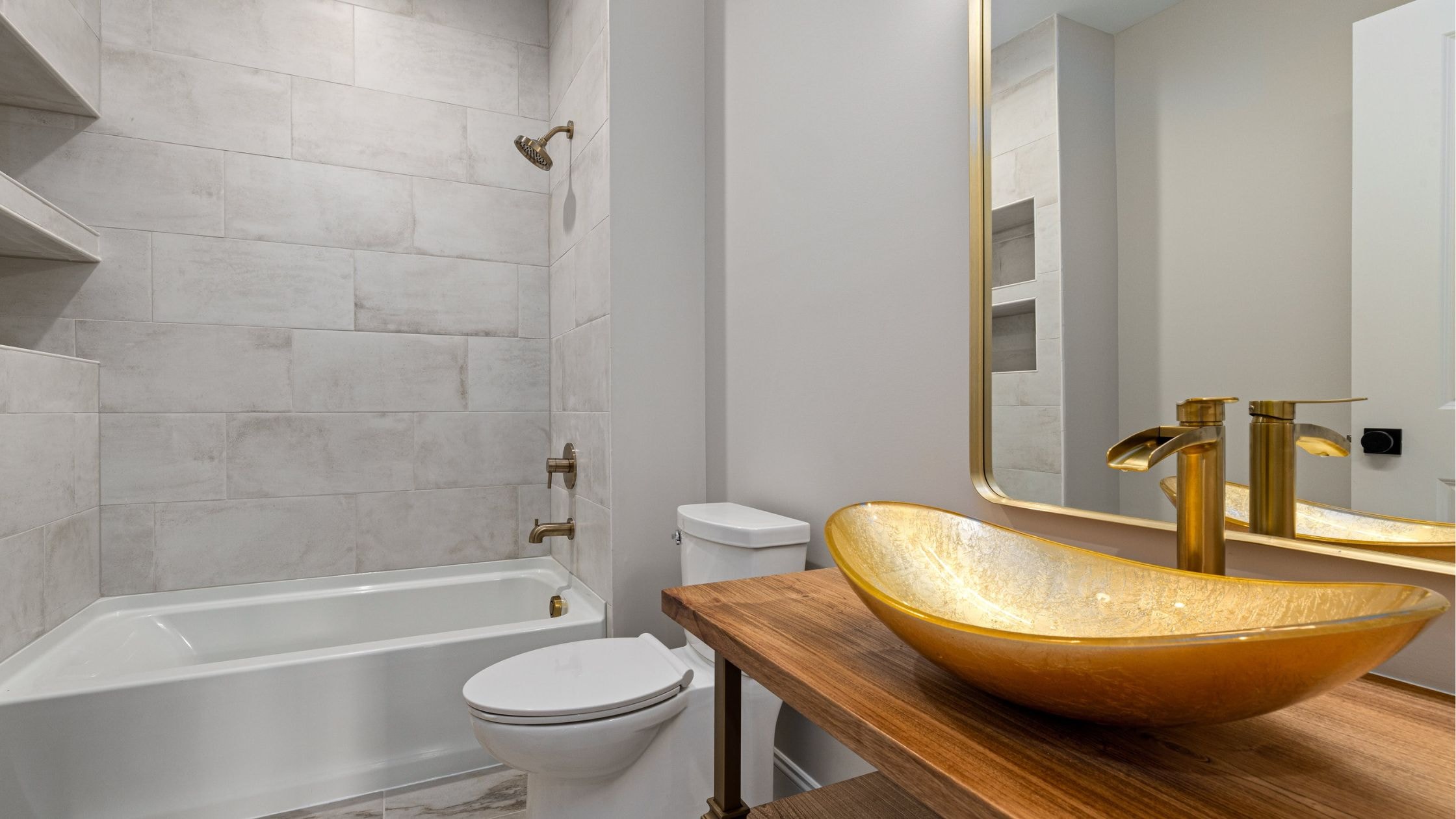
Built-in storage maximizes functionality without consuming floor space. Recessed medicine cabinets provide storage while sitting flush with the wall. These cabinets utilize wall cavity space that would otherwise go unused.
Floating vanities create the illusion of more floor space by exposing the floor beneath the vanity. This design trick makes rooms feel less crowded while providing essential storage. The visual continuity of the floor extending under the vanity expands perceived room size.
Corner shelving units maximize vertical wall space. These stackable shelves provide storage for towels and toiletries. Glass shelves maintain an open feeling.
Maximizing Vertical Wall Space
Installing shelving from floor to ceiling maximizes storage capacity. This vertical emphasis makes ceilings feel higher. The upward eye movement created by tall storage creates spaciousness.
Recessed niches in shower walls eliminate the need for freestanding storage. These built-in shelves keep products organized and accessible. Multiple niches at staggered heights create visual interest.
Wall-mounted fixtures including towel bars and hooks keep items off counters. This approach maintains clear surfaces that make small bathrooms feel less cluttered.
Fixture Selection for Compact Spaces

Choosing fixtures scaled appropriately for small bathroom spaces prevents overcrowding. A compact toilet with a round bowl saves space on the floor by several inches. These space-efficient toilets provide full functionality while respecting size constraints.
Wall-mounted toilets create additional floor space. The concealed tank creates a streamlined look. These modern fixtures work well in contemporary small bathroom design projects.
A pedestal sink or small vanity provides essential functionality without dominating the room. Single-sink vanities rather than double vanity configurations make sense in most small bathroom remodels.
Smart Vanity Choices
Narrow-depth vanities maintain storage and counter space while consuming less floor space. These slim vanities work well when installed along one wall. The reduced projection makes the bathroom feel less cramped.
Corner vanities utilize space that might otherwise remain empty. These specialized fixtures tuck into corners, freeing up straight wall sections.
Floating vanities with integrated sinks create clean lines. The wall-mounted design exposes floor space beneath the vanity. Integrated sinks create smoother visual lines.
Tub to Shower Conversion Planning

Careful planning ensures a tub to shower conversion delivers desired results. Evaluating the existing bathroom layout identifies opportunities and constraints. Understanding where plumbing lines and structural supports exist guides practical planning for the tub to shower conversion project.
Homeowners considering conversion should explore comprehensive resources about the complete tub-to-shower conversion process to understand all steps involved. Professional guidance helps avoid costly mistakes.
The conversion timeline varies based on project scope. Simple conversions might complete in a few days, while extensive remodels take longer.
Waterproofing Considerations
Proper waterproofing protects the bathroom structure from water damage. Understanding essential waterproofing techniques for shower remodels ensures the conversion remains watertight. Quality waterproofing represents an investment in long-term structural integrity.
The shower pan requires specialized waterproofing membranes that prevent water penetration. These barriers installed beneath tile create a watertight envelope. Multiple waterproofing layers provide redundancy.
Wall waterproofing extends at least 6 feet above the floor. Some codes require complete wall waterproofing in wet areas.
Making the Final Decision
Choosing between keeping a bathtub or converting to a walk in shower depends on household needs. Families with young children may prioritize bathtub access, while empty nesters often prefer walk in showers.
The number of bathrooms in the home influences conversion decisions. Homes with multiple bathrooms can convert one tub to a shower while maintaining bathtub access elsewhere.
Resale value considerations sometimes affect conversion decisions. The trend toward aging-in-place features makes accessible walk in showers attractive to many homebuyers.
Frequently Asked Questions
What is the best tile for a small bathroom shower conversion?
Large-format tiles in light colors work best because they minimize grout lines and reflect light. White tile or light gray tile creates the most spacious feeling. The bathroom floor and shower walls benefit from tiles measuring at least 12 by 24 inches. Mosaic tiles work well as accents or for the floor.
How can I make my small walk in shower feel larger?
Installing a frameless glass door eliminates visual barriers. Using the same floor tile throughout the bathroom creates continuity. Placing the shower head at the far end draws the eye deeper into the shower space. Incorporating a linear drain creates cleaner visual lines.
What shower door works best for small bathrooms?
A frameless glass shower door provides the most open feeling. A single hinged glass panel creates minimal obstruction. For very compact spaces, a sliding glass door avoids requiring clearance for door swing. The goal is maximum transparency with minimal hardware.
How do I maximize storage in a small bathroom remodel?
Built-in recessed niches in shower walls provide storage without consuming shower space. Installing a medicine cabinet recessed into the wall maintains clean lines. Choosing a vanity with drawers maximizes storage efficiency. Wall-mounted shelving utilizes vertical wall space. Corner shelving units take advantage of unused corner areas.
Should I use a shower curtain or glass door in a small bathroom?
A glass shower door creates a more open feeling than a shower curtain. The transparency of glass makes small bathrooms feel more spacious. Frameless glass doors eliminate visual clutter. For the most spacious feeling, glass doors outperform curtains.
What colors make small bathrooms look bigger?
White tile creates the most expansive feeling by reflecting maximum light. Light grays, creams, and soft beiges provide similar benefits. The goal is maintaining light values that reflect natural light and artificial lighting. Monochromatic color schemes create visual continuity.
Can I convert a bathtub to a walk in shower in a small bathroom?
Yes, converting a bathtub to a walk in shower in a small bathroom typically creates more usable space. Removing the tub frees up floor space. A well-designed walk in shower feels less confining. The conversion process involves removing the existing tub, preparing surfaces, and installing the new shower.
How important is lighting in a small bathroom?
Lighting plays a crucial role in making small bathrooms feel larger. Natural light from windows or skylights provides the most spacious feeling. Light-colored tiles amplify both natural light and artificial lighting through reflection. Installing adequate artificial lighting prevents dark corners.
Creating Your Ideal New Bathroom
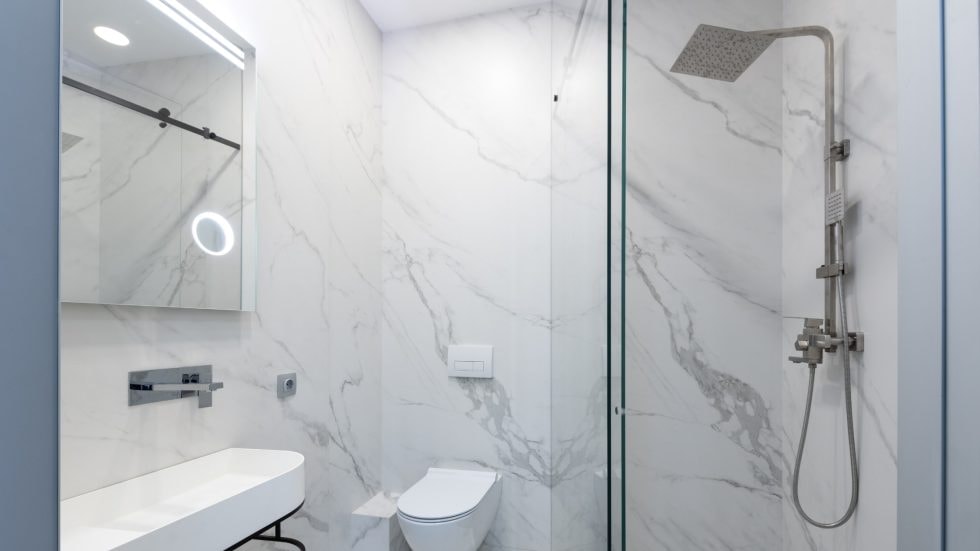
Transforming a small bathroom through thoughtful shower conversion can make a space feel larger and functions better for daily needs. The combination of smart layout decisions, appropriate tile selections, and strategic use of glass and light makes even the most compact bathrooms feel open and inviting.
The key to successful small bathroom design lies in making deliberate choices that enhance perceived space. Every element from the shower door to the floor tile contributes to the overall feeling of spaciousness or confinement. Understanding these principles empowers homeowners to create bathrooms that exceed the limitations of their physical dimensions.
Working with experienced professionals ensures the conversion process proceeds smoothly and delivers the desired results. Quality installation, proper waterproofing, and attention to design details separate mediocre conversions from exceptional ones. The investment in professional expertise protects both the immediate outcome and the long-term durability of the bathroom remodel.
According to the National Kitchen & Bath Association, bathroom remodels focusing on accessibility and functionality continue to rank among the most popular home improvement projects, with small bathroom conversions showing particular growth as homeowners seek to maximize their existing space.
Small bathroom shower conversions demonstrate that limited square footage need not mean limited style or functionality. With careful planning, creative design choices, and quality execution, even the smallest bathrooms can become beautiful, spacious-feeling retreats that serve household needs perfectly while adding value to the home. The transformation from cramped tub-and-shower combo to open, accessible walk in shower represents more than a physical change—it creates a daily experience that enhances quality of life and proves that great design transcends size constraints.